Blockchain Explained and Why It Matters for Charlotte Real Estate
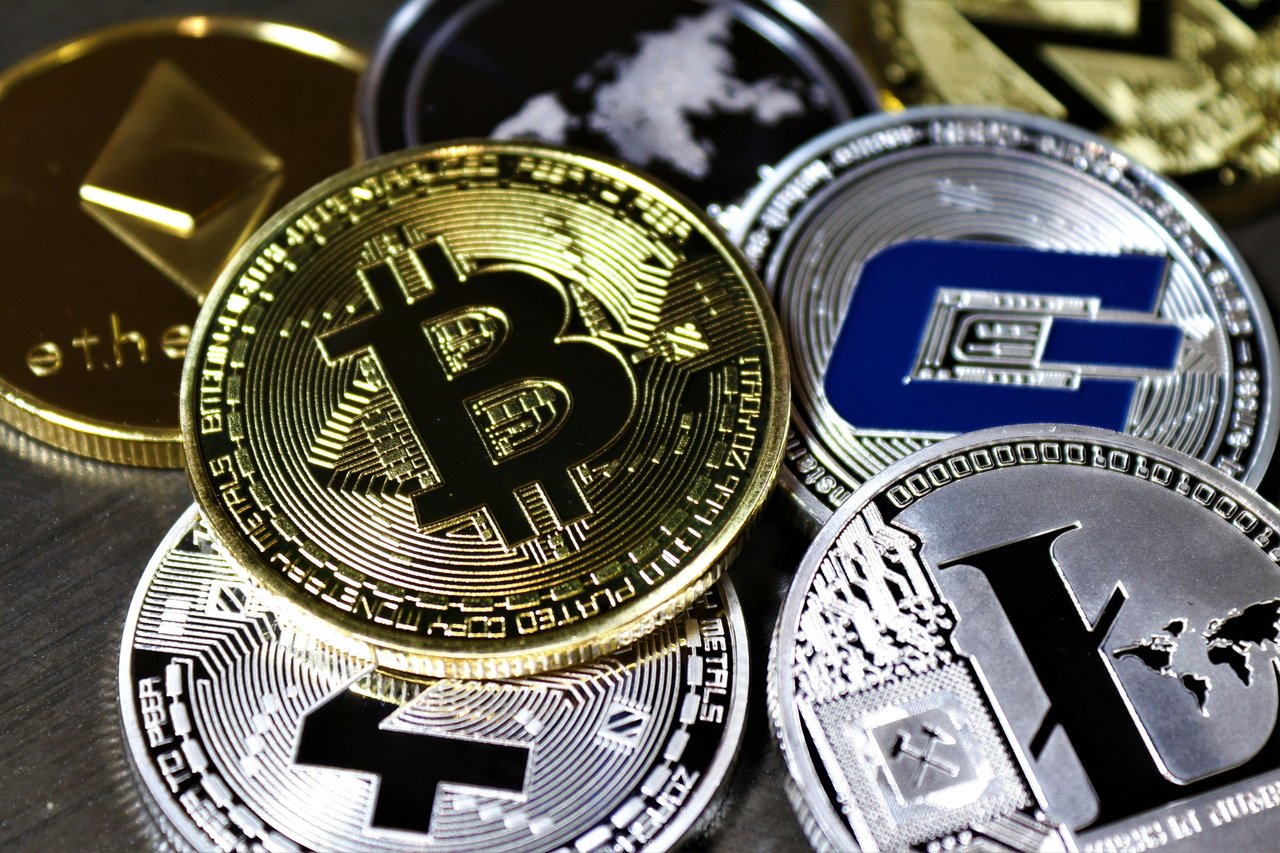
Blockchain might sound like a complicated tech buzzword, but at its core, it’s actually a simple concept. Think of it as a digital ledger—a record book—that stores information in a way that is secure, transparent, and extremely difficult to alter. Instead of being controlled by a single central authority, blockchain records are distributed across a network of computers, which helps prevent fraud and manipulation.
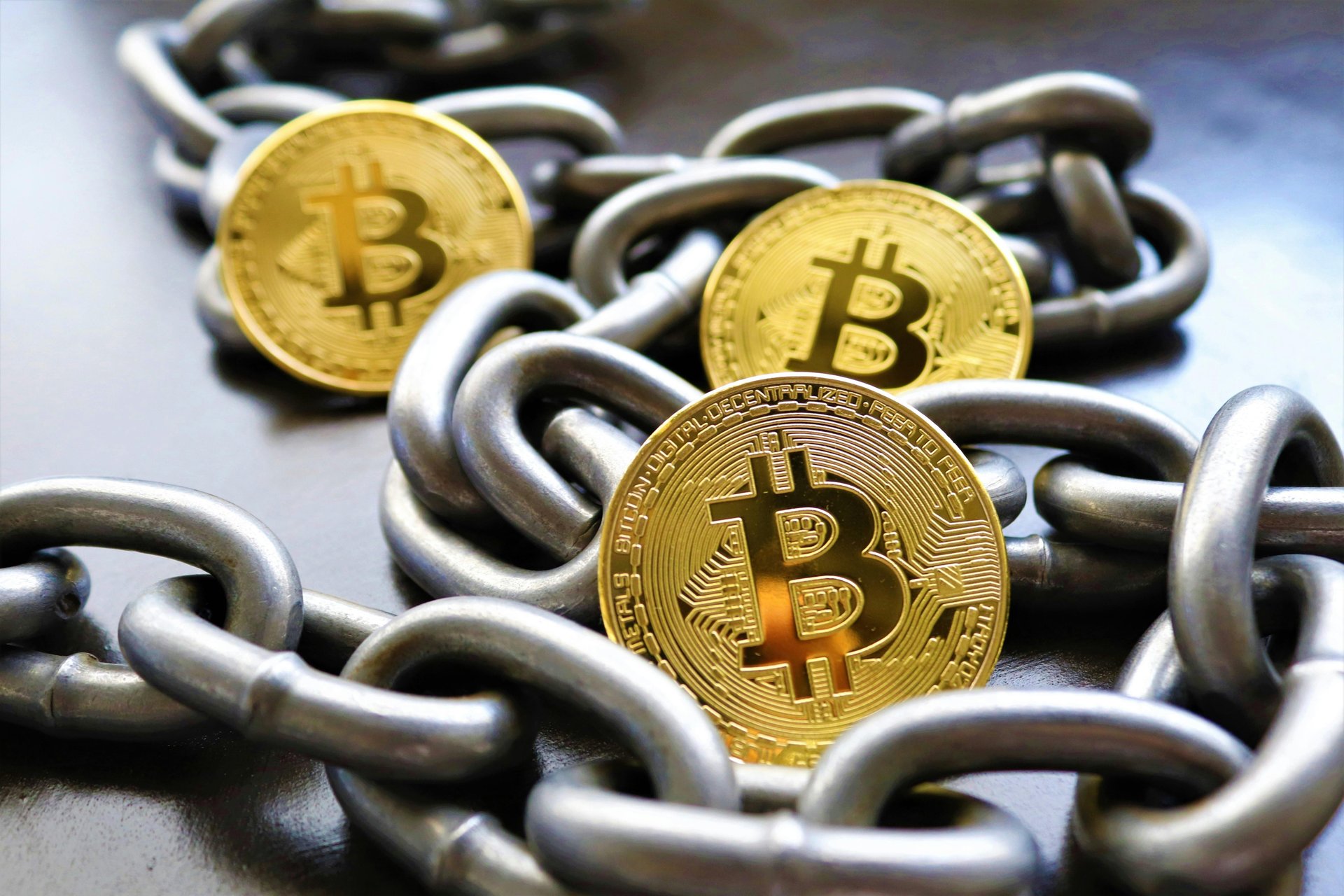
Each “block” contains a group of transactions. Once verified, that block is added to a “chain” of previous records. Because every entry is time-stamped and connected to the one before it, changing past information is nearly impossible without altering the entire chain. That’s what makes blockchain secure and trustworthy.
How Blockchain Connects to Real Estate
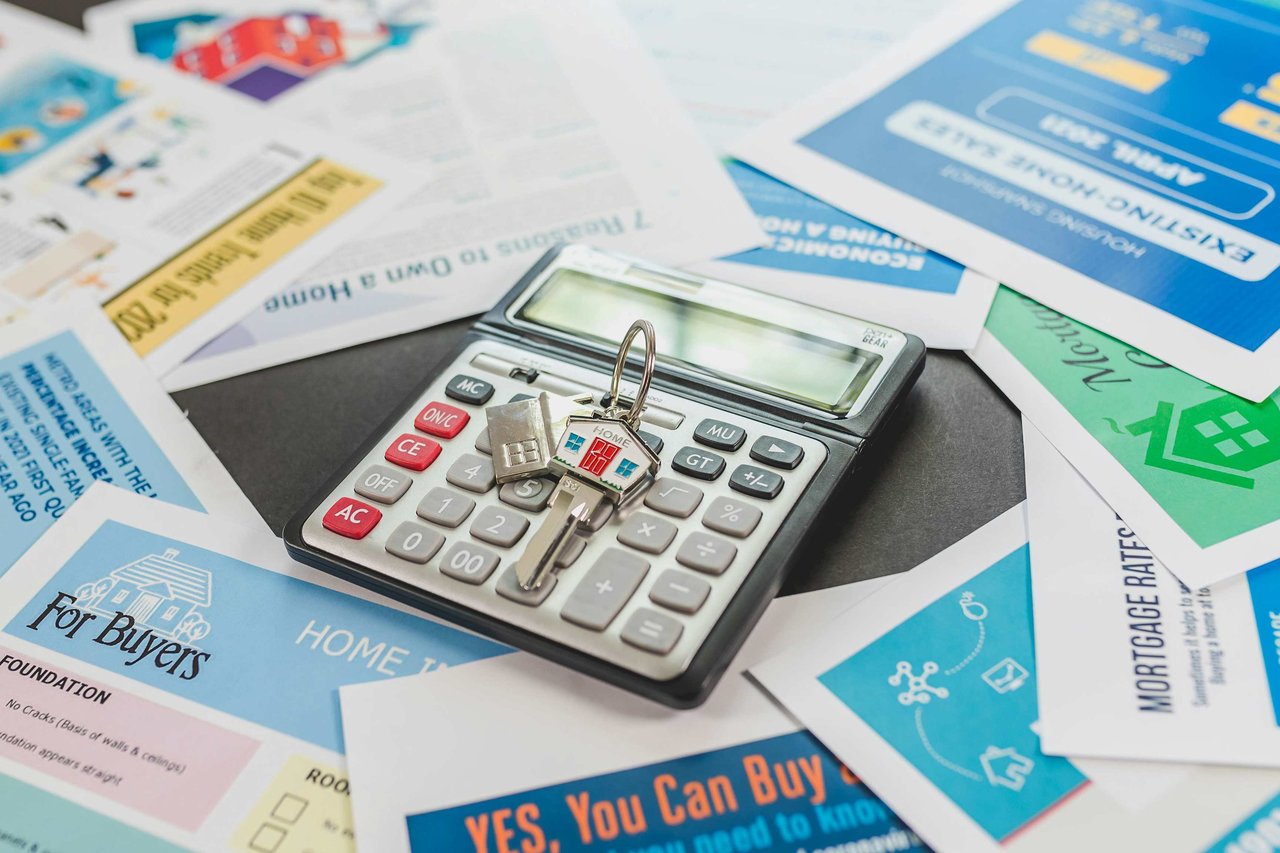
Real estate transactions involve contracts, title records, identity verification, and financial transfers. Traditionally, these processes rely on multiple parties—banks, title companies, attorneys, and government offices—to validate and store information.
Blockchain has the potential to simplify parts of this system.
For example:
-
Property records could be securely stored on a blockchain, reducing paperwork and minimizing fraud.
-
Smart contracts (self-executing digital agreements) could automatically trigger steps in a transaction once conditions are met.
-
Tokenization could allow fractional ownership of real estate investments.
While most Charlotte transactions today still follow traditional processes, blockchain technology is slowly entering conversations around efficiency and security.
Why It Matters in Charlotte
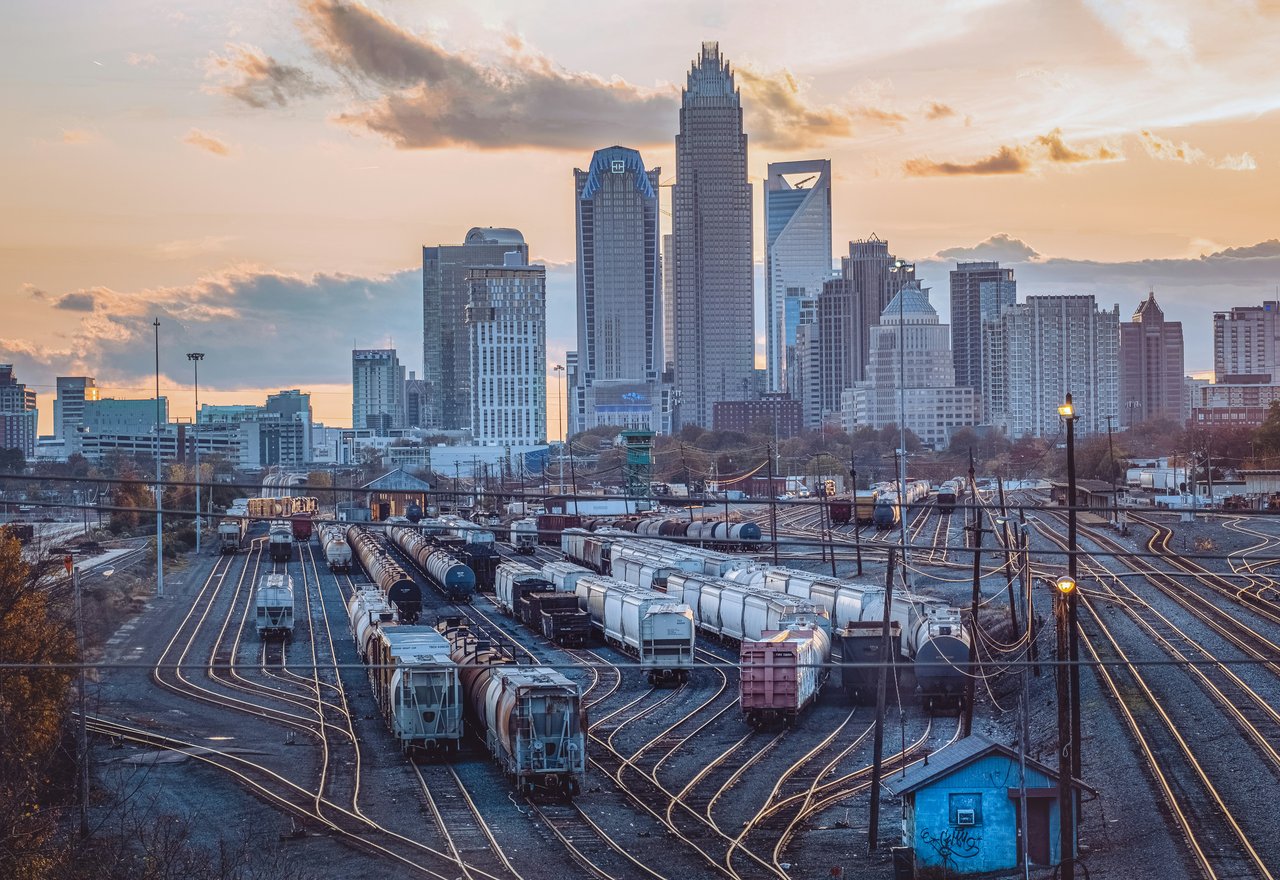
Charlotte continues to grow as a financial and technology hub. With major banking institutions and a strong fintech presence, the city is positioned to explore blockchain applications faster than many markets. As innovation expands, real estate professionals, investors, and buyers may begin seeing blockchain-based tools integrated into transactions.
For investors, blockchain could eventually make buying into real estate projects more accessible. For homeowners, it may mean faster closings and clearer title records. However, regulations and adoption are still evolving, and widespread use in local real estate is not yet standard practice.
The Bottom Line
Blockchain isn’t just about cryptocurrency—it’s about creating secure, transparent systems for recording and verifying information. While it hasn’t fully transformed Charlotte's real estate yet, it represents a technology worth understanding.
As digital tools continue to reshape industries, staying informed about blockchain can help buyers, sellers, and investors navigate the future of real estate with confidence.