How Cryptocurrency Gets Its Value (And Why Charlotte Investors Care)
Cryptocurrency can feel abstract at first. It’s digital, decentralized, and doesn’t exist in physical form like cash. So how does it actually get its value—and why are investors in Charlotte paying attention?

Supply and Demand
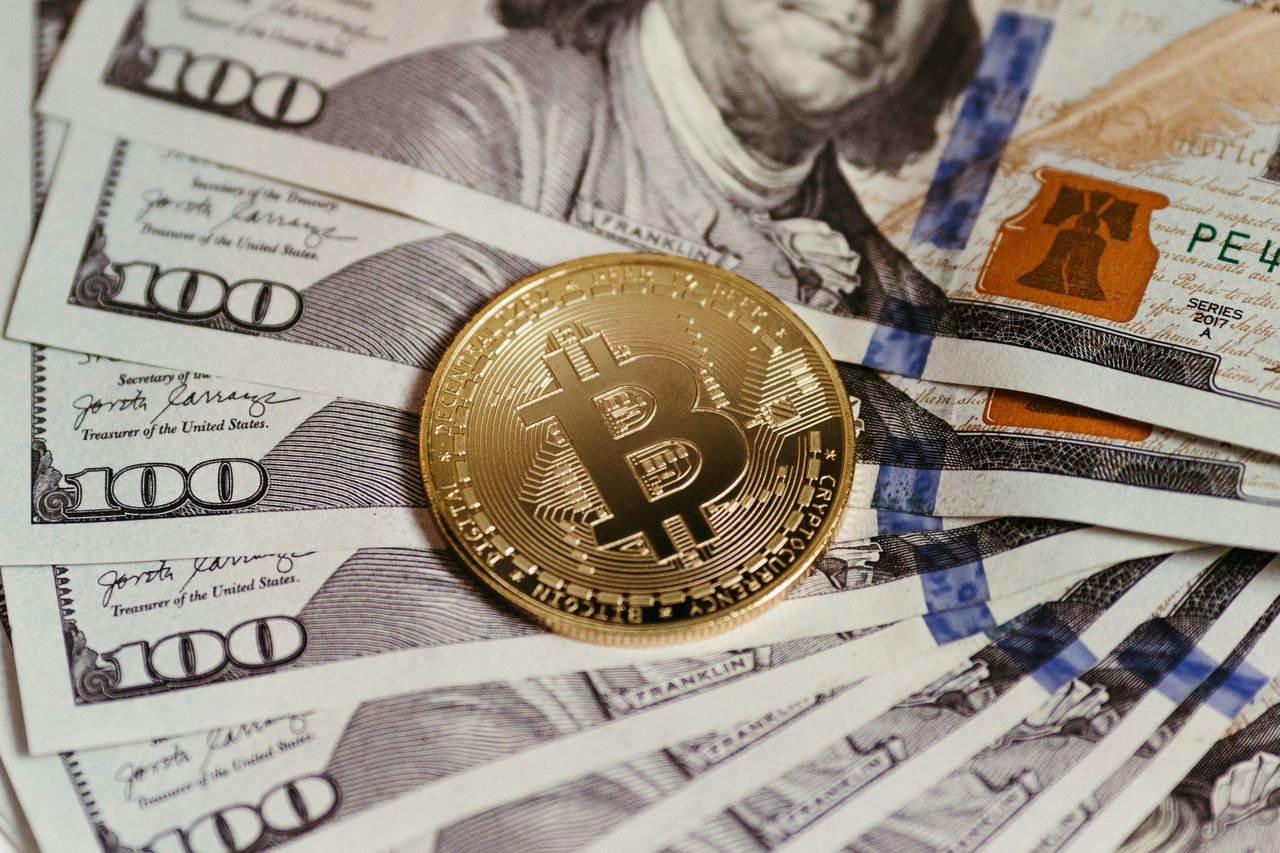
At its core, the value of cryptocurrency is driven by supply and demand. Take Bitcoin, for example. Only 21 million bitcoins will ever exist. That limited supply creates scarcity. When more people want to buy Bitcoin than sell it, the price rises. When demand drops, prices fall. Just like real estate, inventory levels matter.
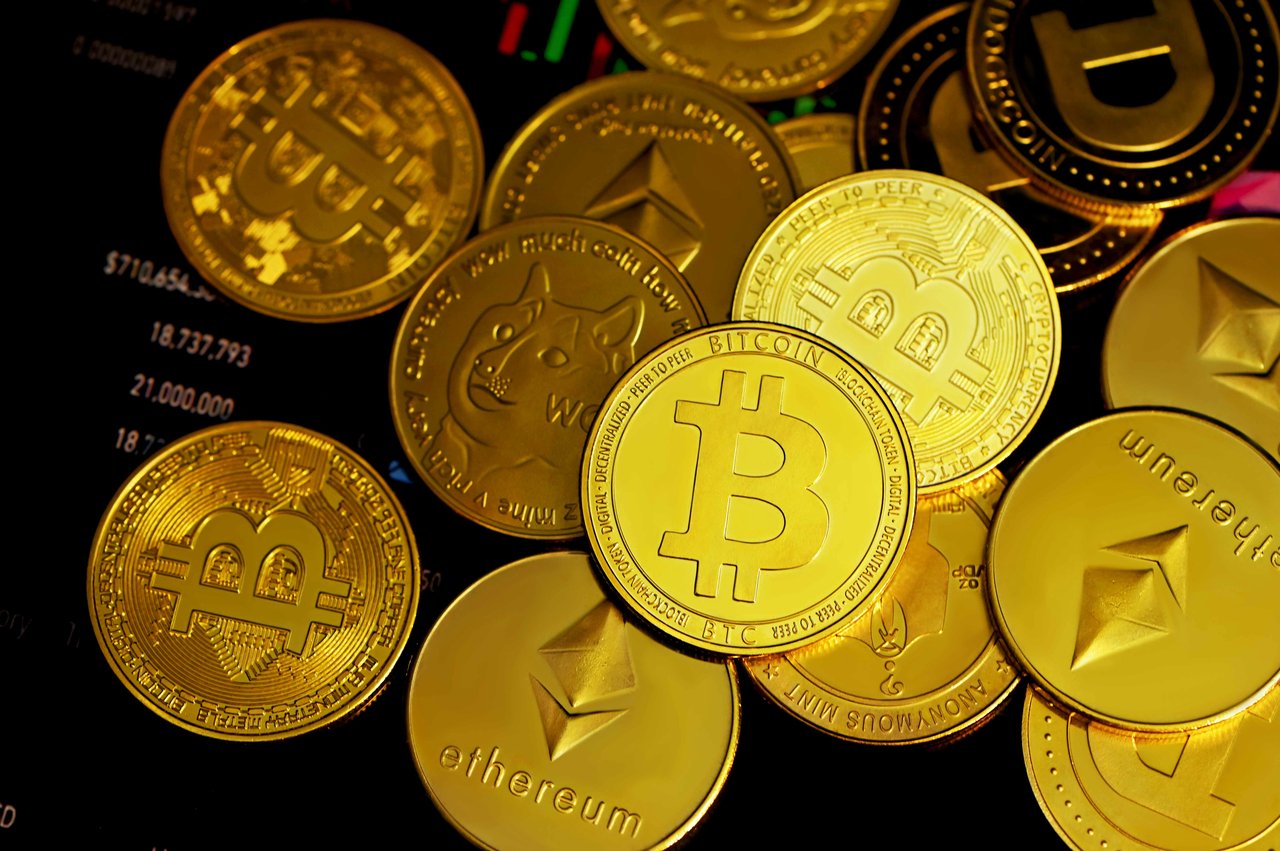
Other cryptocurrencies, like Ethereum, also have supply structures that influence pricing, especially as network upgrades change how new coins are issued.

Utility and Use Case
Cryptocurrency gains value when it solves real problems. Ethereum isn’t just digital money—it powers decentralized apps, smart contracts, and NFT platforms. The more developers and companies use the Ethereum network, the more demand there is for its token.
Utility drives adoption. Adoption drives demand. Demand supports price.

Trust and Security
Crypto runs on blockchain technology, which is transparent and secure. Investors place value on networks that are reliable, decentralized, and resistant to fraud. The stronger the network and the larger its user base, the more confidence investors tend to have.
Public perception also matters. When major financial institutions begin offering crypto services, it signals legitimacy. Increased trust often attracts new capital.

Market Sentiment and Media
Crypto markets are highly influenced by news, regulation, and global economic trends. Government policies, ETF approvals, or large corporate investments can quickly shift prices. Because crypto trades 24/7, sentiment can move markets fast.

Why Charlotte Investors Care
Charlotte is one of the nation’s leading banking hubs, home to major financial institutions and a fast-growing population of tech professionals and entrepreneurs. Many local investors are already comfortable with alternative assets, from private equity to real estate syndications.
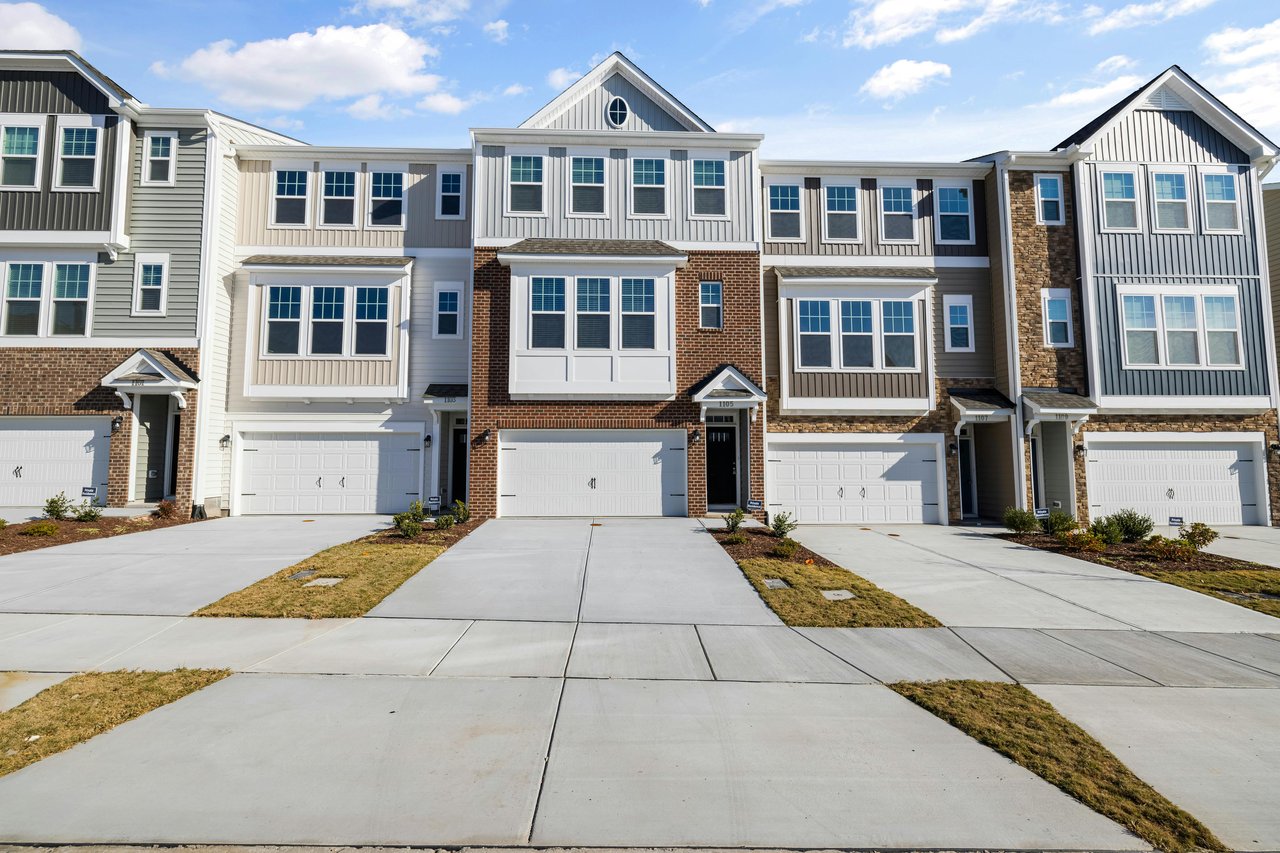
Cryptocurrency represents another diversification opportunity. In a market like Charlotte—where real estate has seen strong appreciation—some investors are exploring crypto as a hedge against inflation or as a high-growth asset class. Others are interested in blockchain technology itself, seeing potential overlap with fintech innovation and future real estate transactions.
While crypto remains volatile and speculative, understanding how it gets its value helps investors approach it strategically rather than emotionally.
Just like real estate, value ultimately comes down to scarcity, utility, confidence, and demand. The difference? Crypto moves faster.