New Developments Transforming Charlotte Neighborhoods
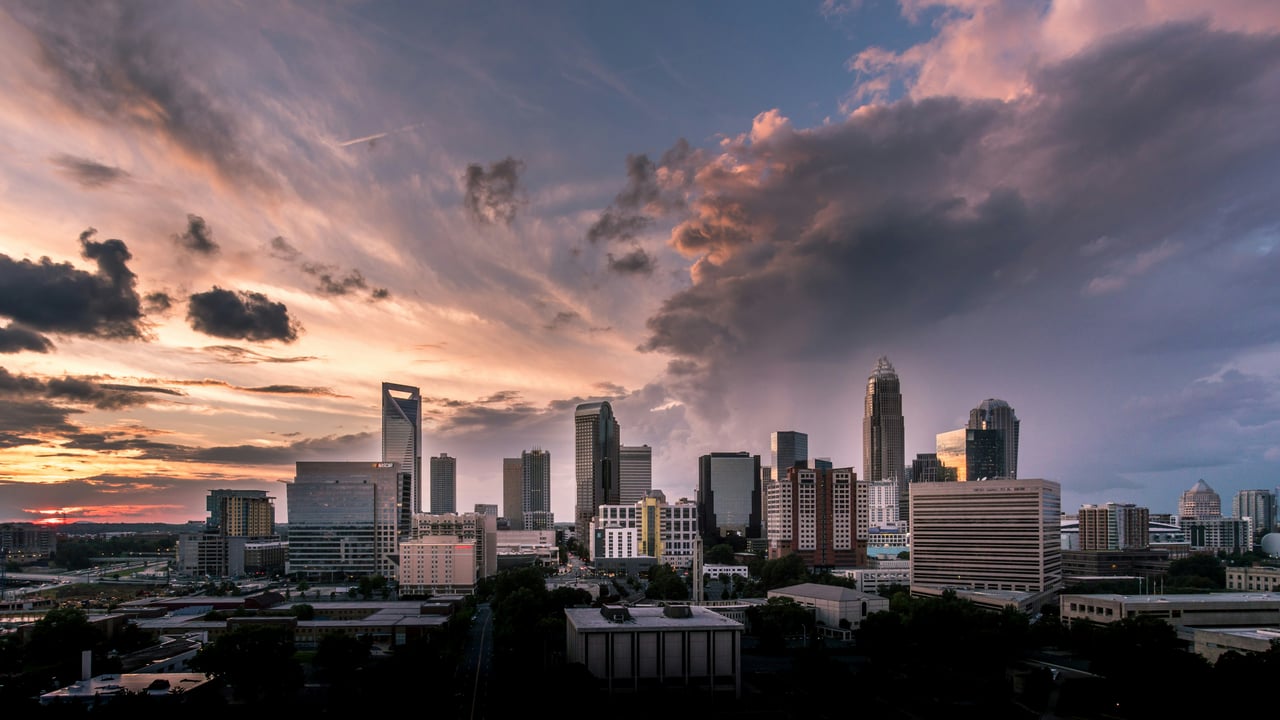
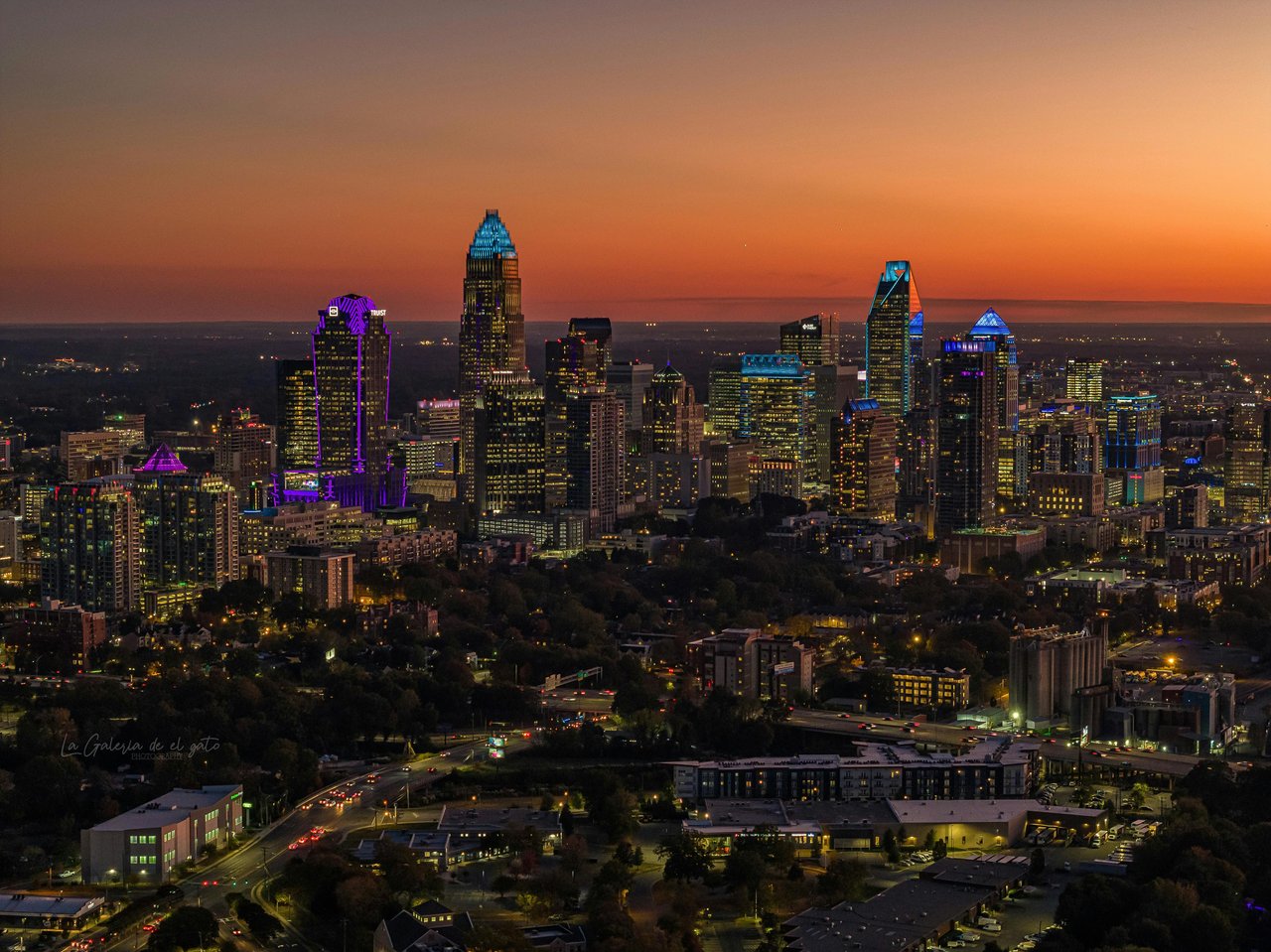
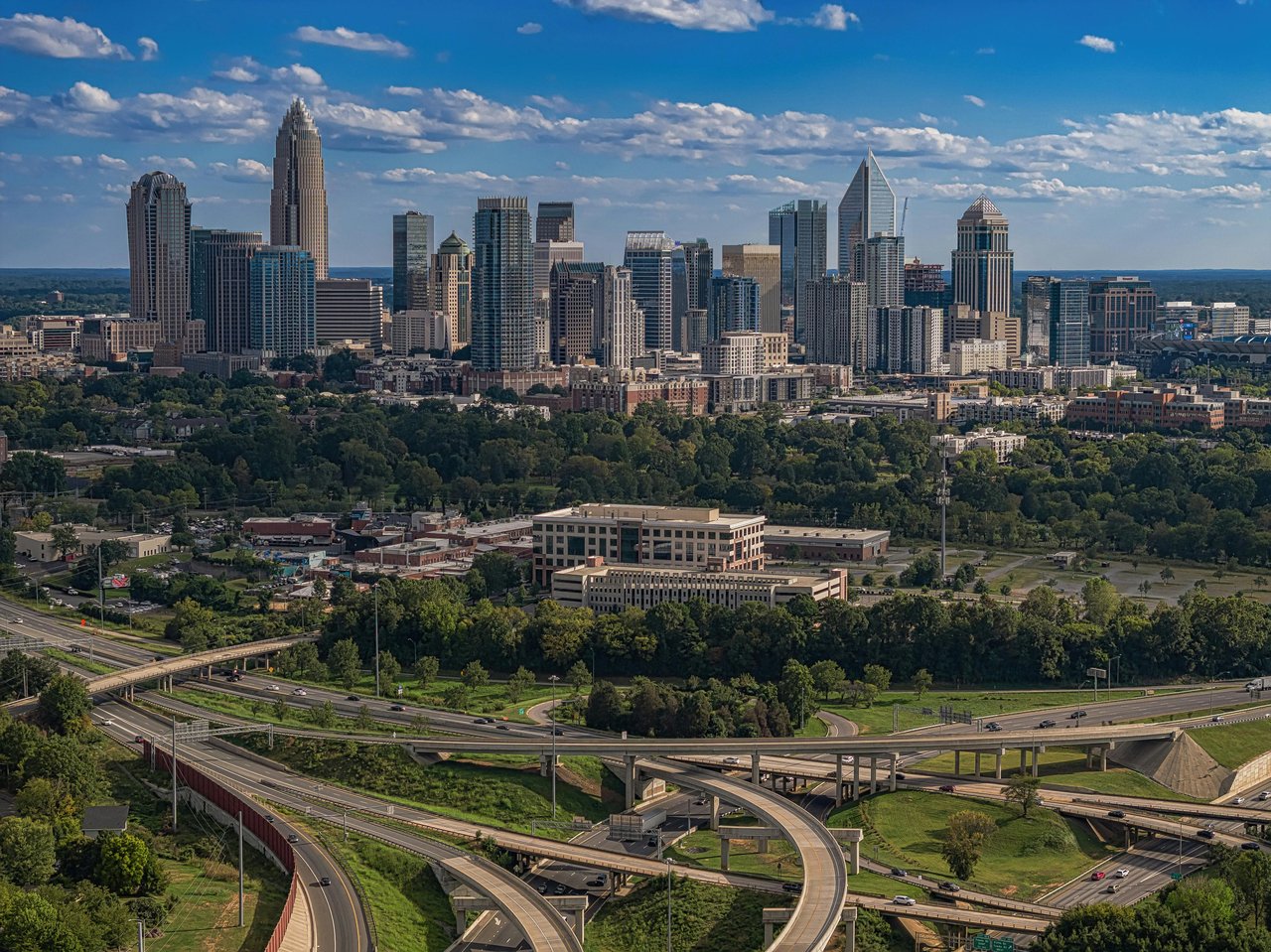
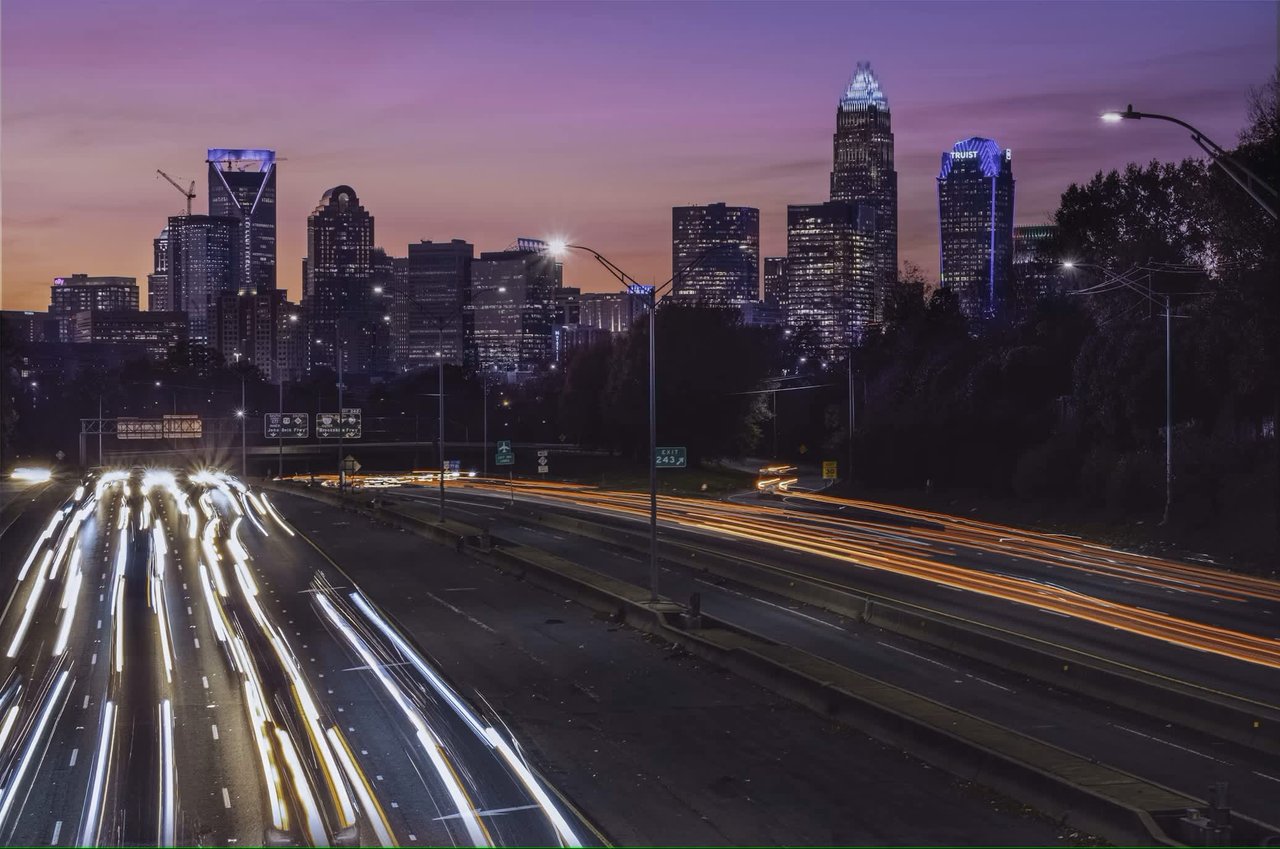
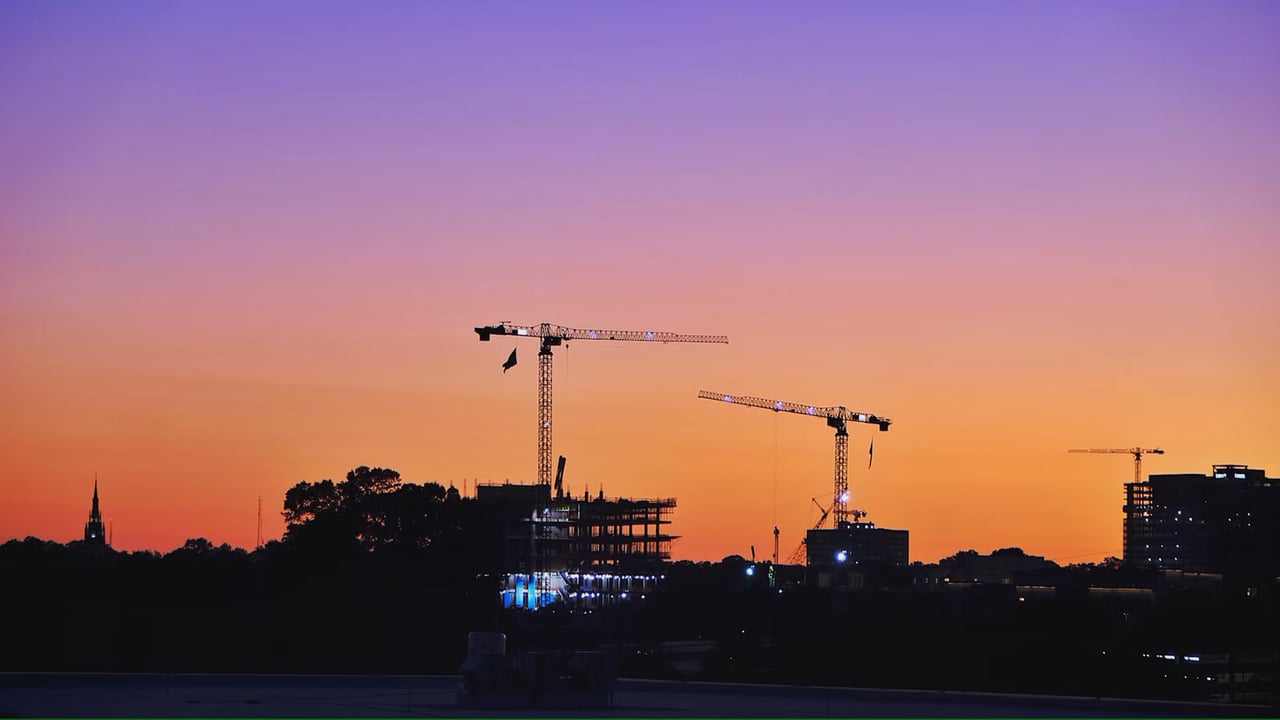
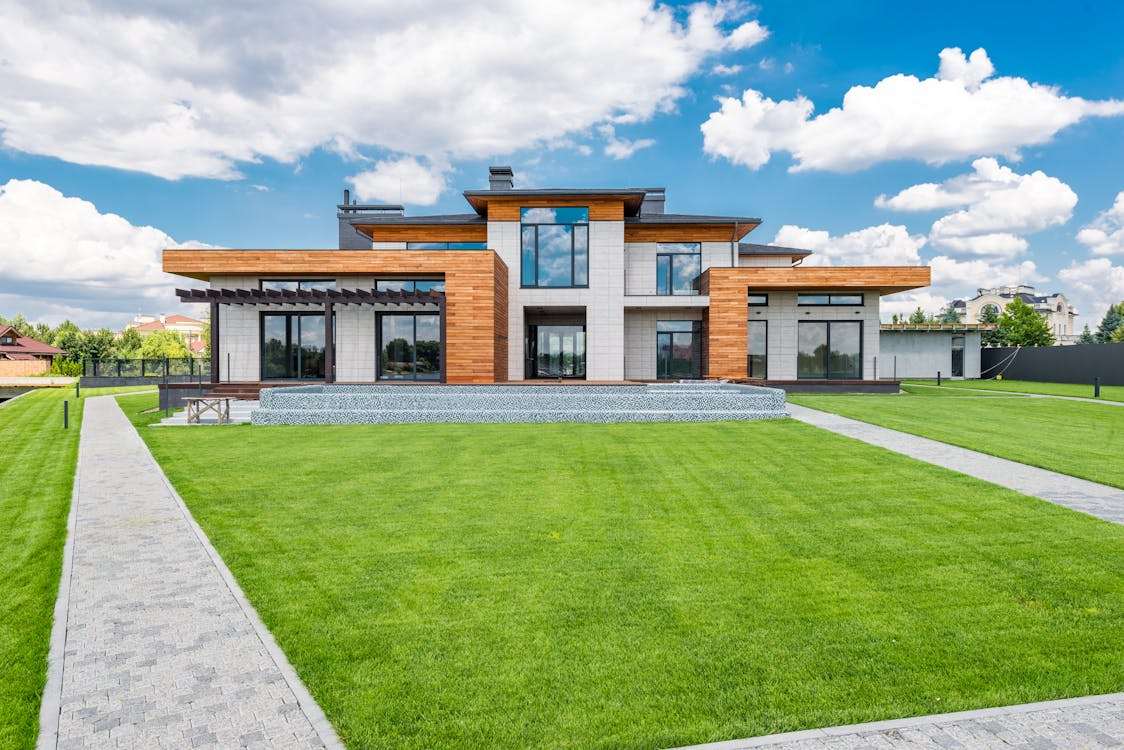
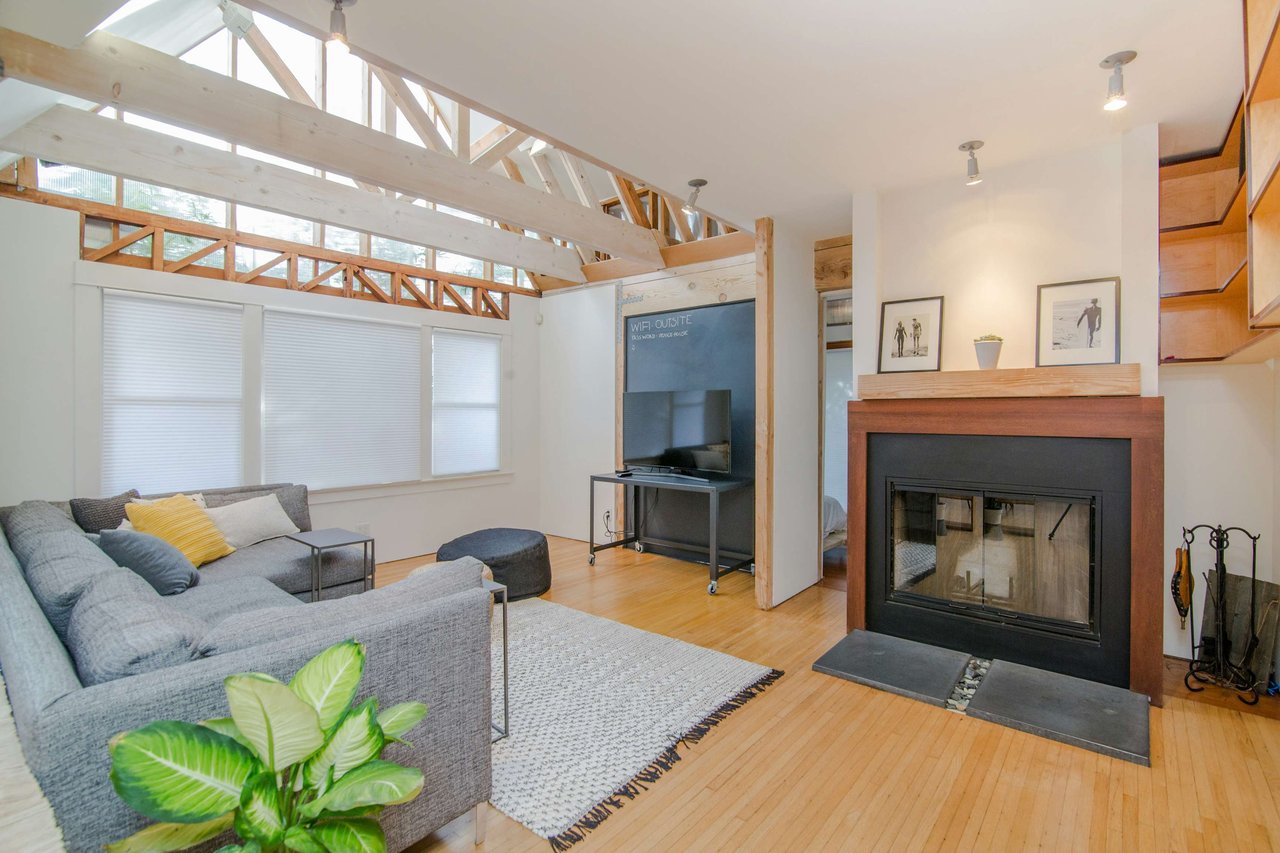
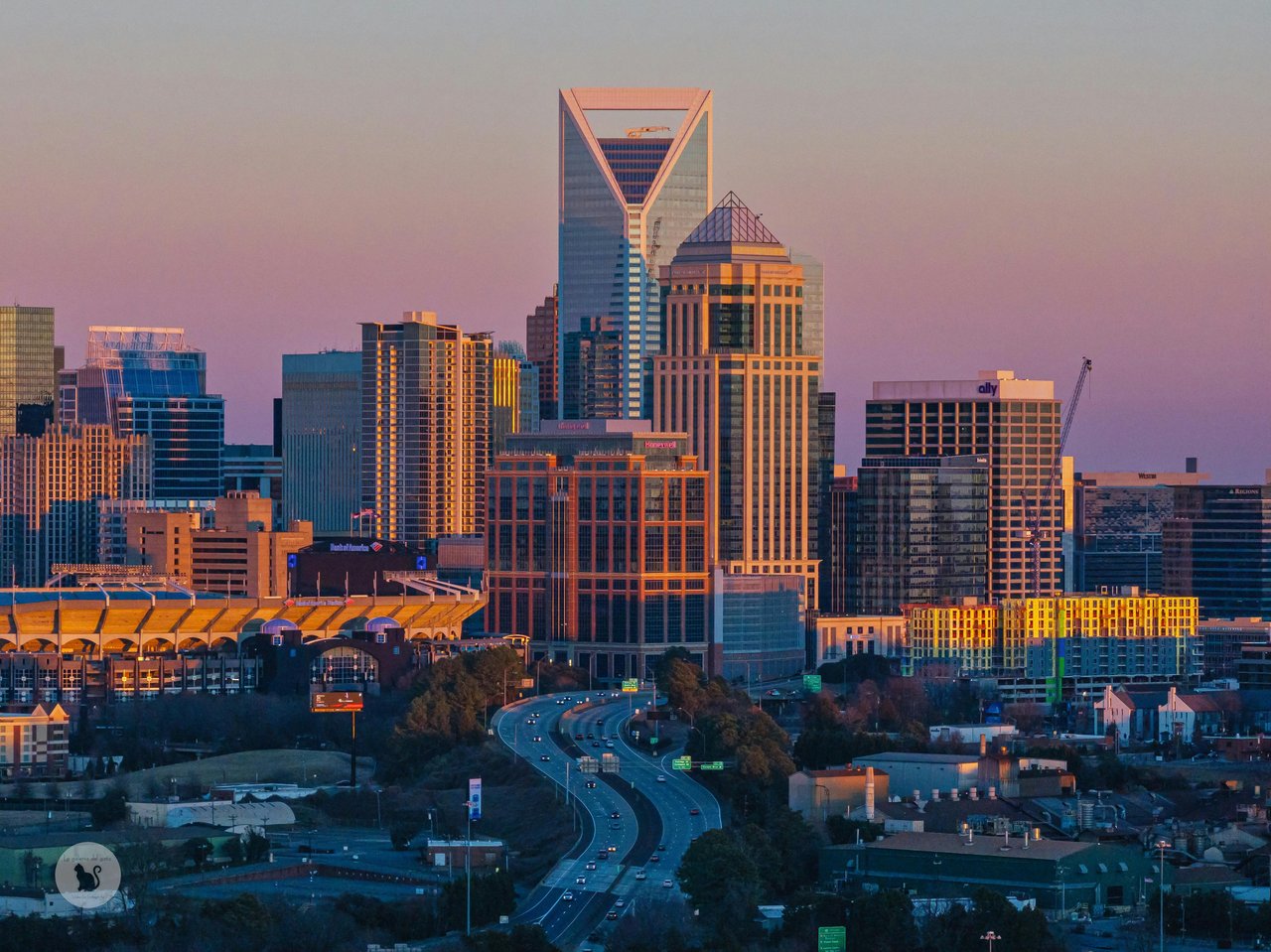
Charlotte continues to evolve at an impressive pace, and much of that growth is being driven by new developments reshaping neighborhoods across the city. From mixed-use communities and transit-oriented projects to revitalized urban districts and new residential communities, development is influencing not only how Charlotte looks, but how people live, work, and invest.
For homebuyers, sellers, and investors, understanding where growth is happening can offer valuable insight into future opportunities.
The Rise of Mixed-Use Communities
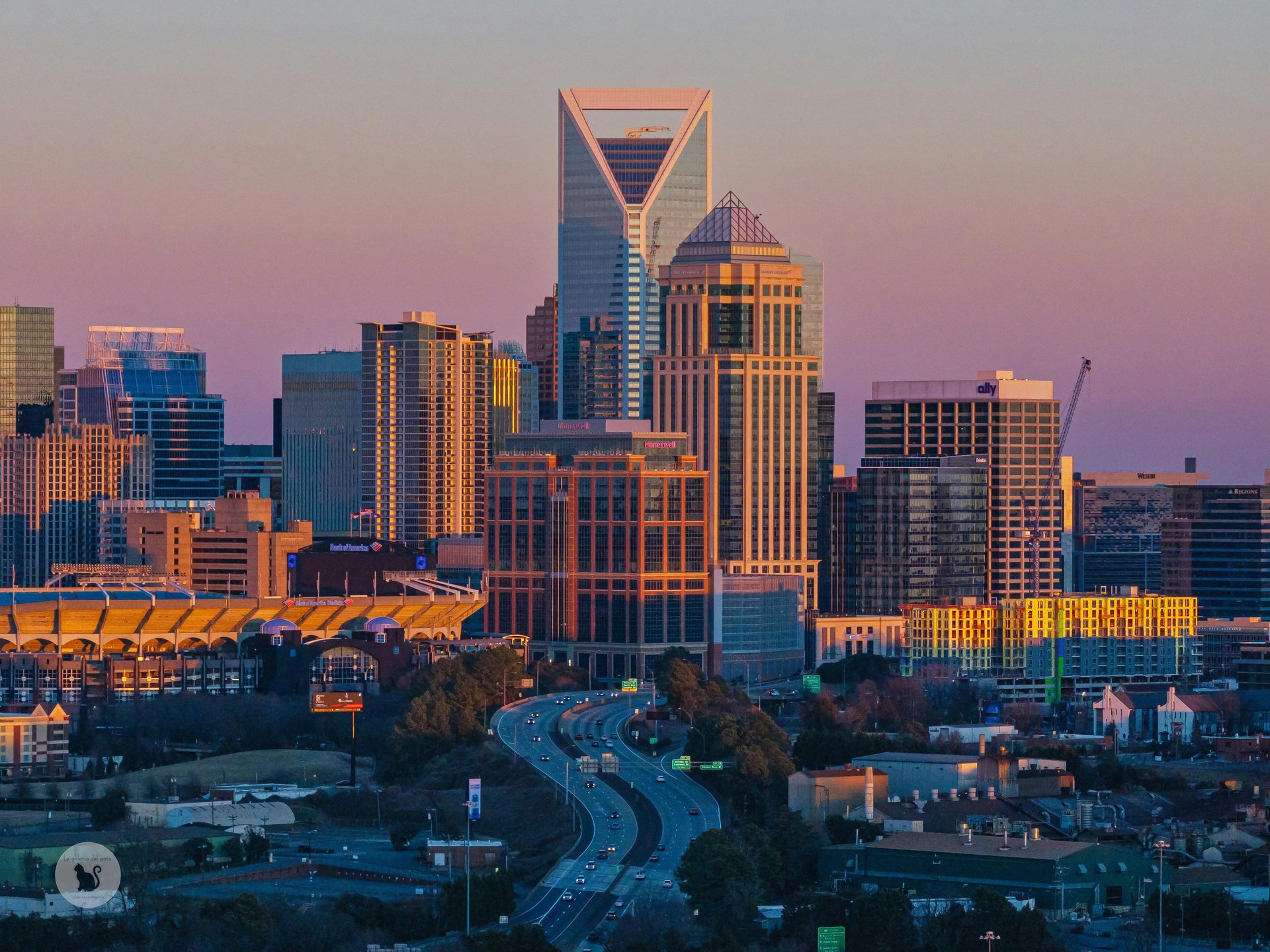
One of the biggest trends transforming Charlotte neighborhoods is the growth of mixed-use development. These projects combine residential, retail, dining, office space, and entertainment in walkable environments that appeal to modern buyers.
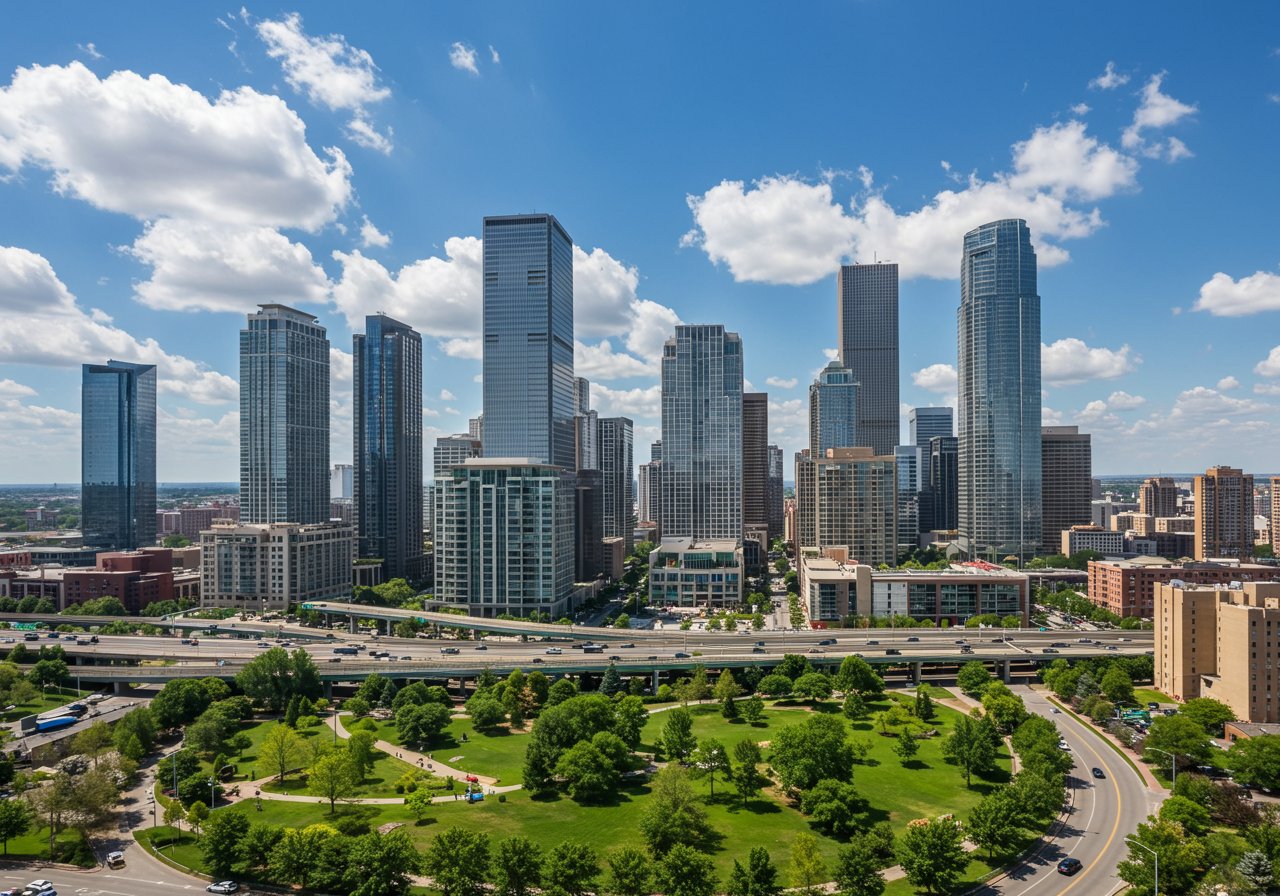
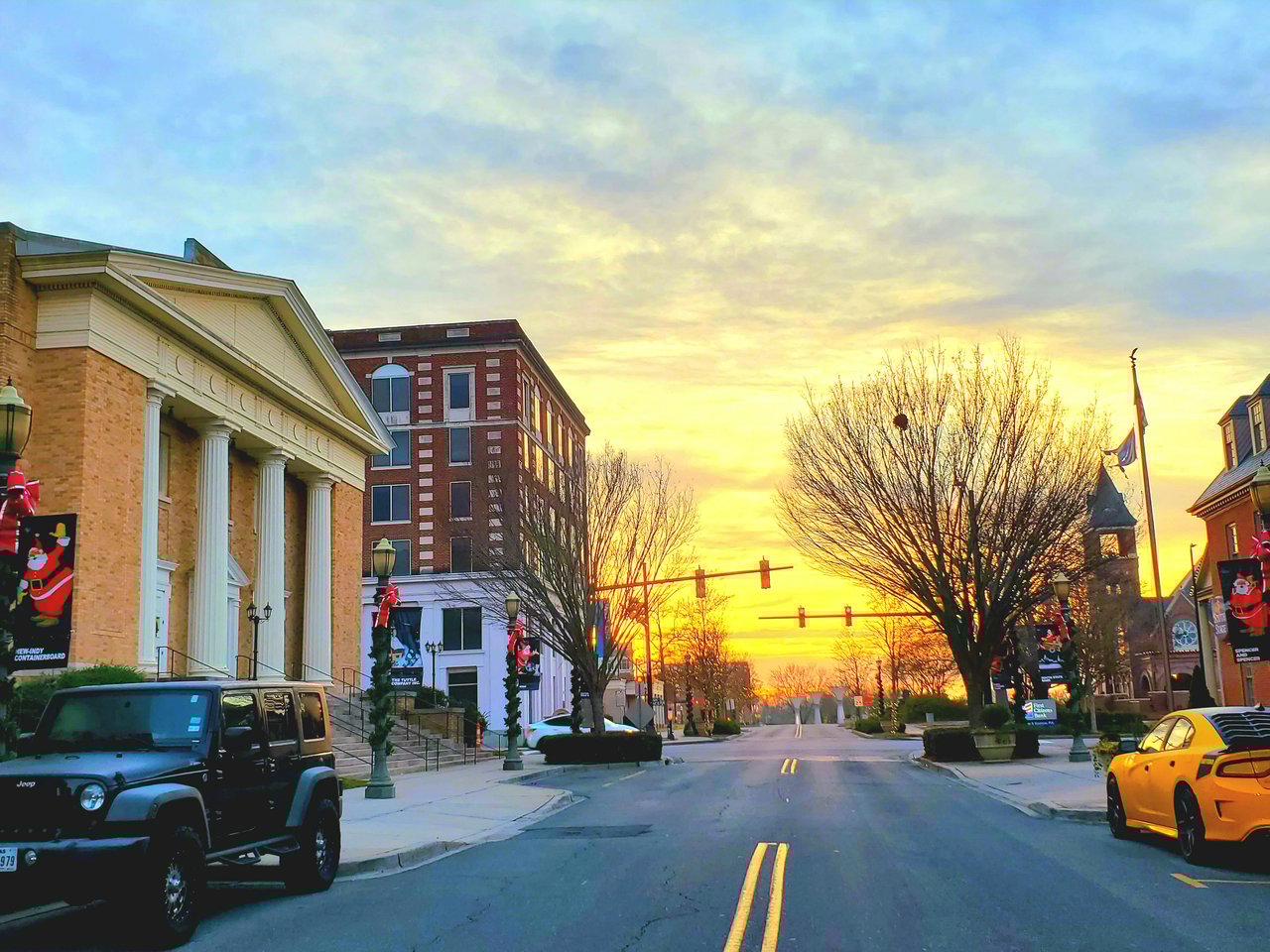
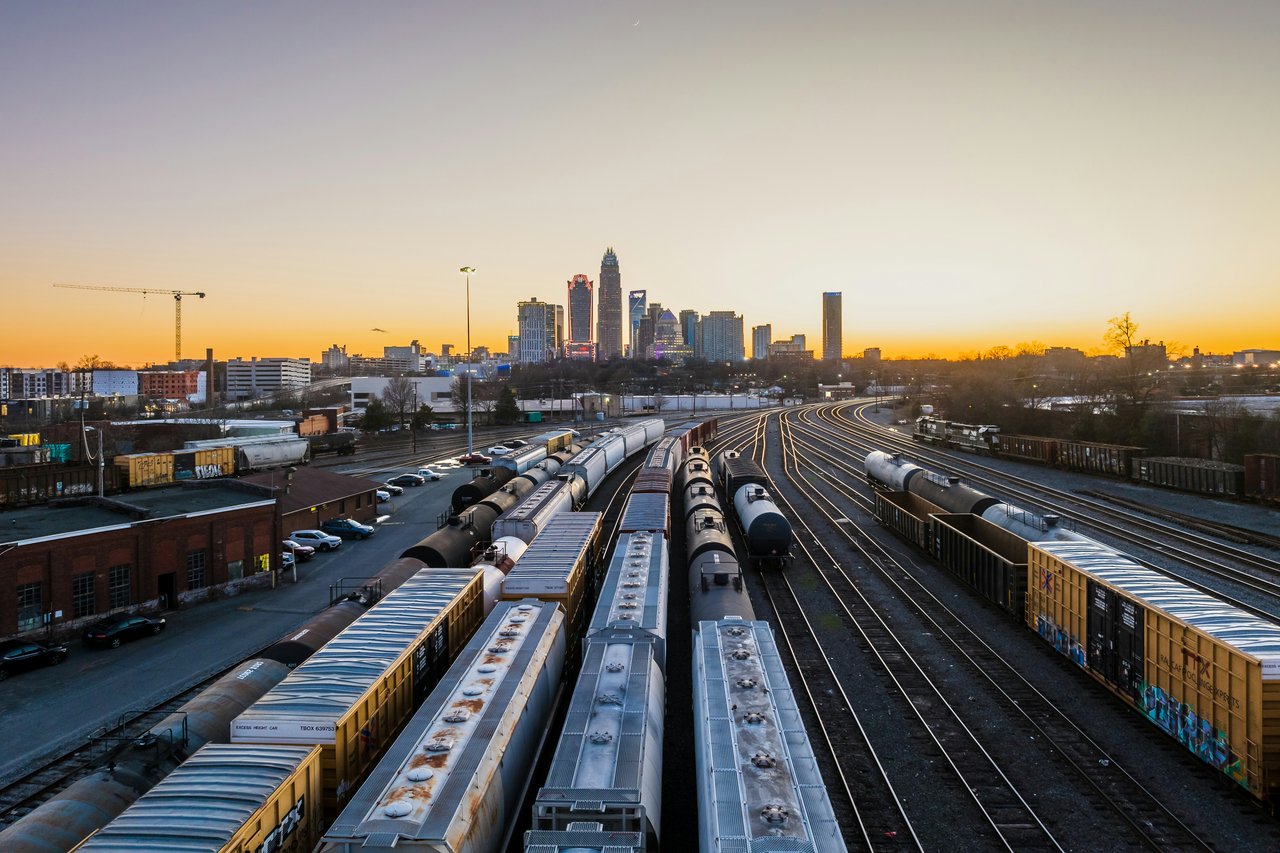
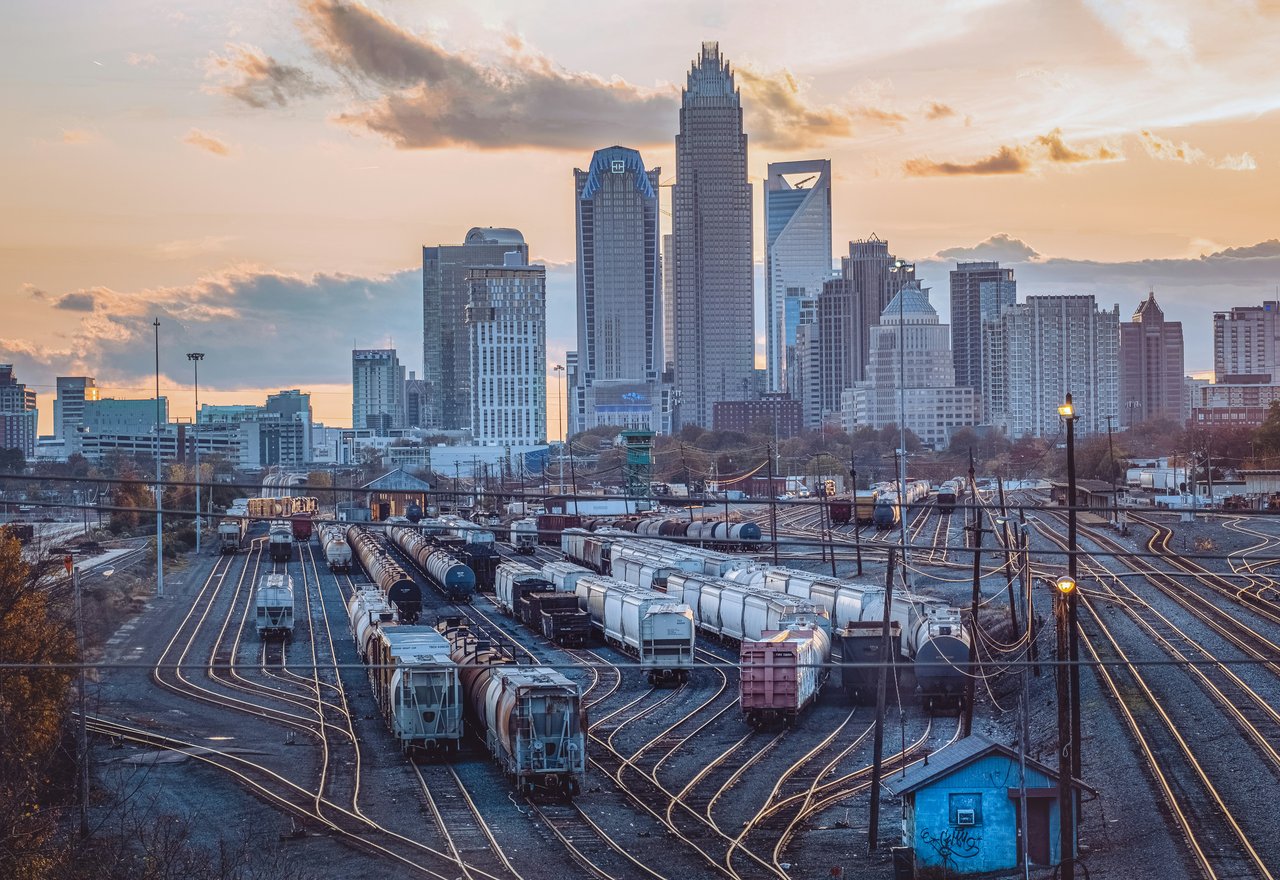
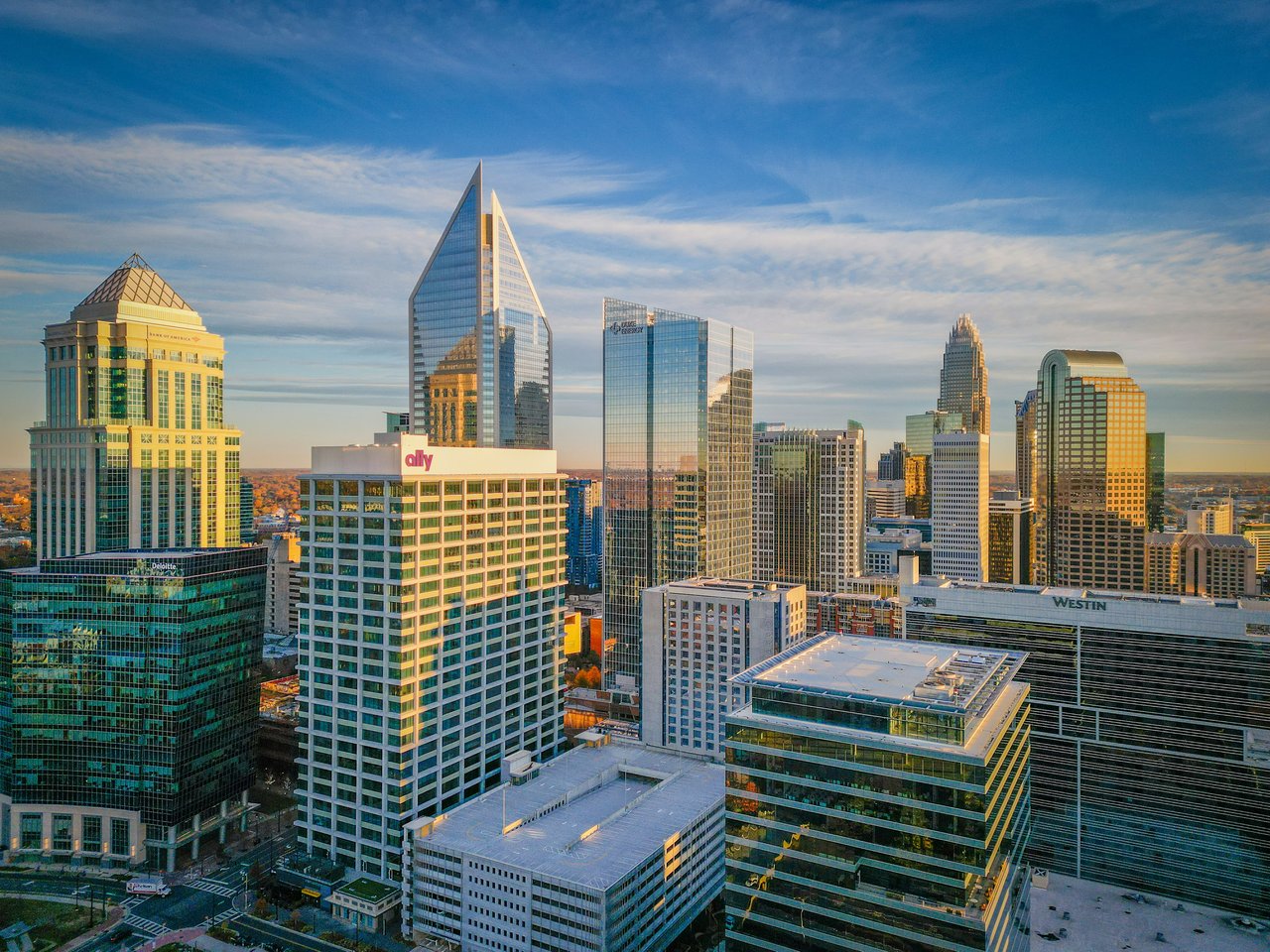
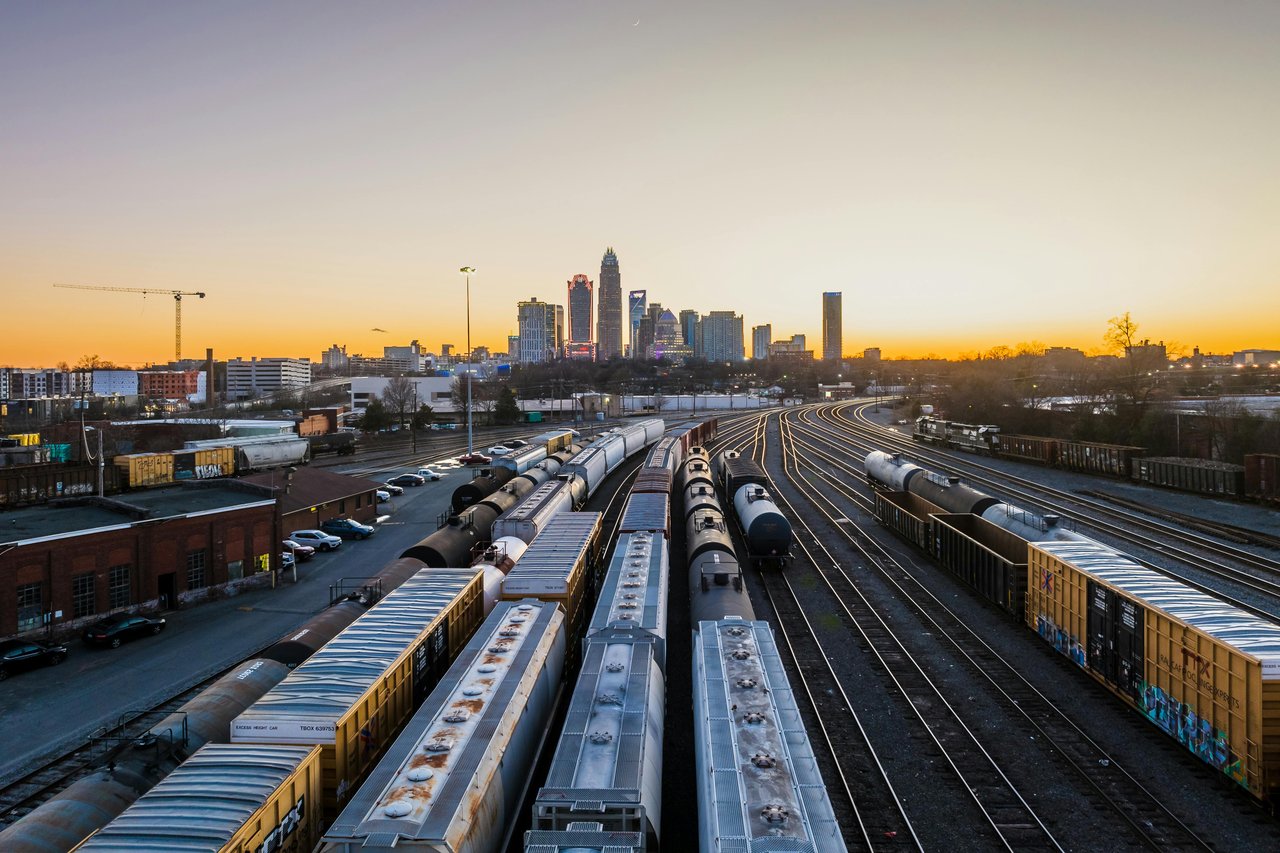
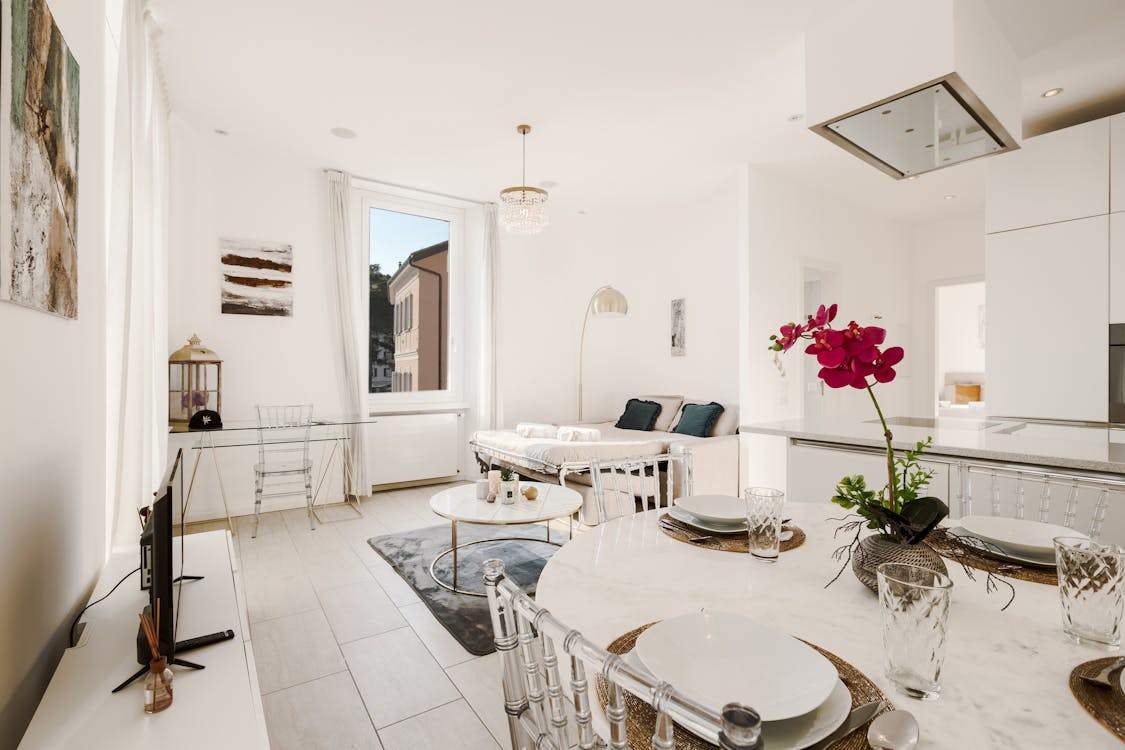
Areas like South End continue to lead this trend, with new condo developments, office towers, restaurants, and retail expanding alongside light rail access. What was once primarily an industrial district has become one of Charlotte’s most sought-after urban neighborhoods.
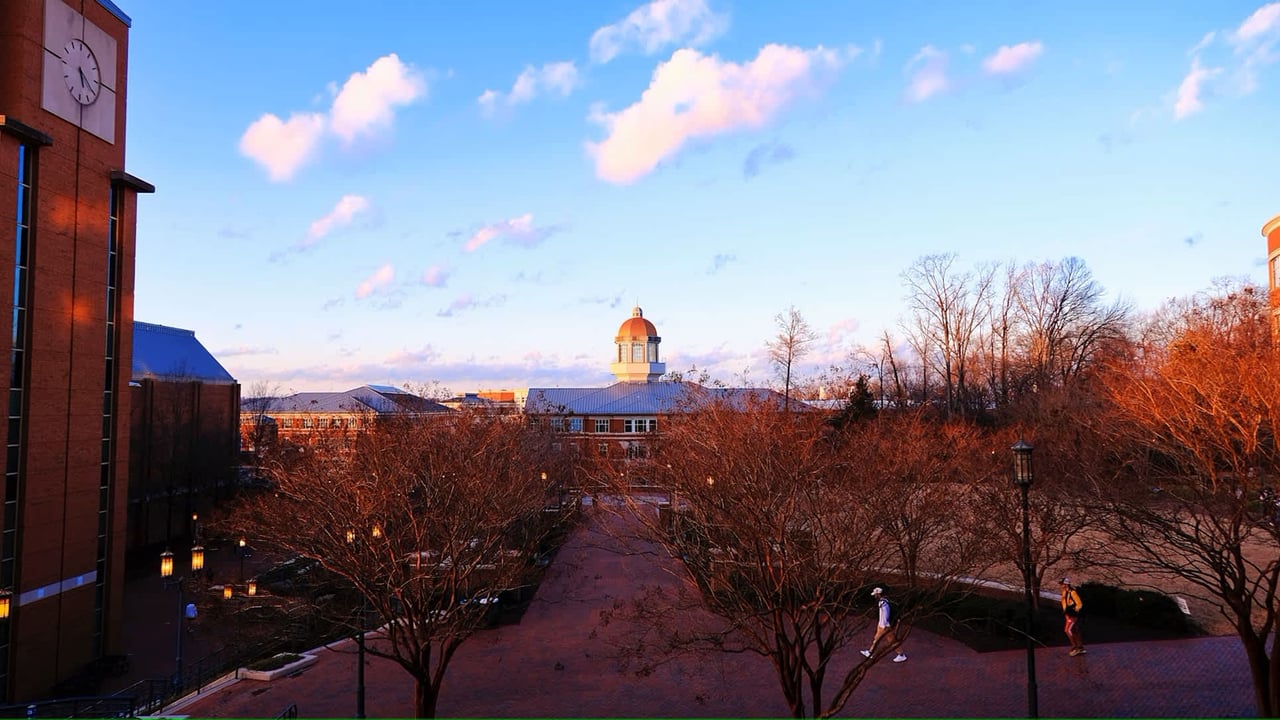
Similar momentum is happening in NoDa and Plaza Midwood, where new development is blending with historic character, creating vibrant communities that attract both longtime residents and newcomers.
Transit and Infrastructure Driving Growth
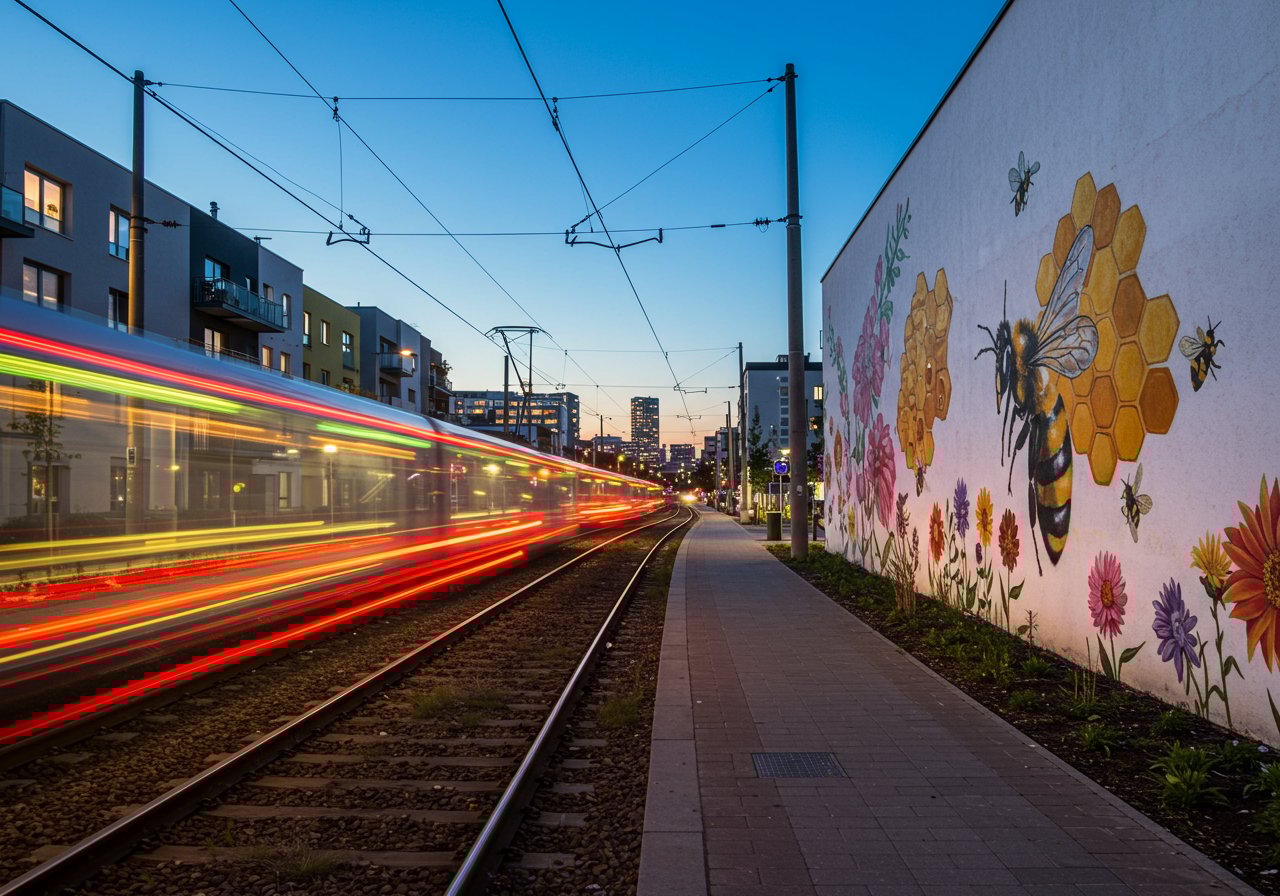
Infrastructure improvements are also shaping where development is happening. Light rail expansion, road improvements, and transit-focused planning are increasing demand in neighborhoods near major transportation corridors.
Communities around future transit growth often see rising interest because buyers recognize the long-term value of accessibility. Neighborhoods in north Charlotte and areas surrounding proposed transit improvements may benefit significantly as those plans move forward.
Improved connectivity also supports commercial investment, which often follows residential demand.
Suburban Growth Continues
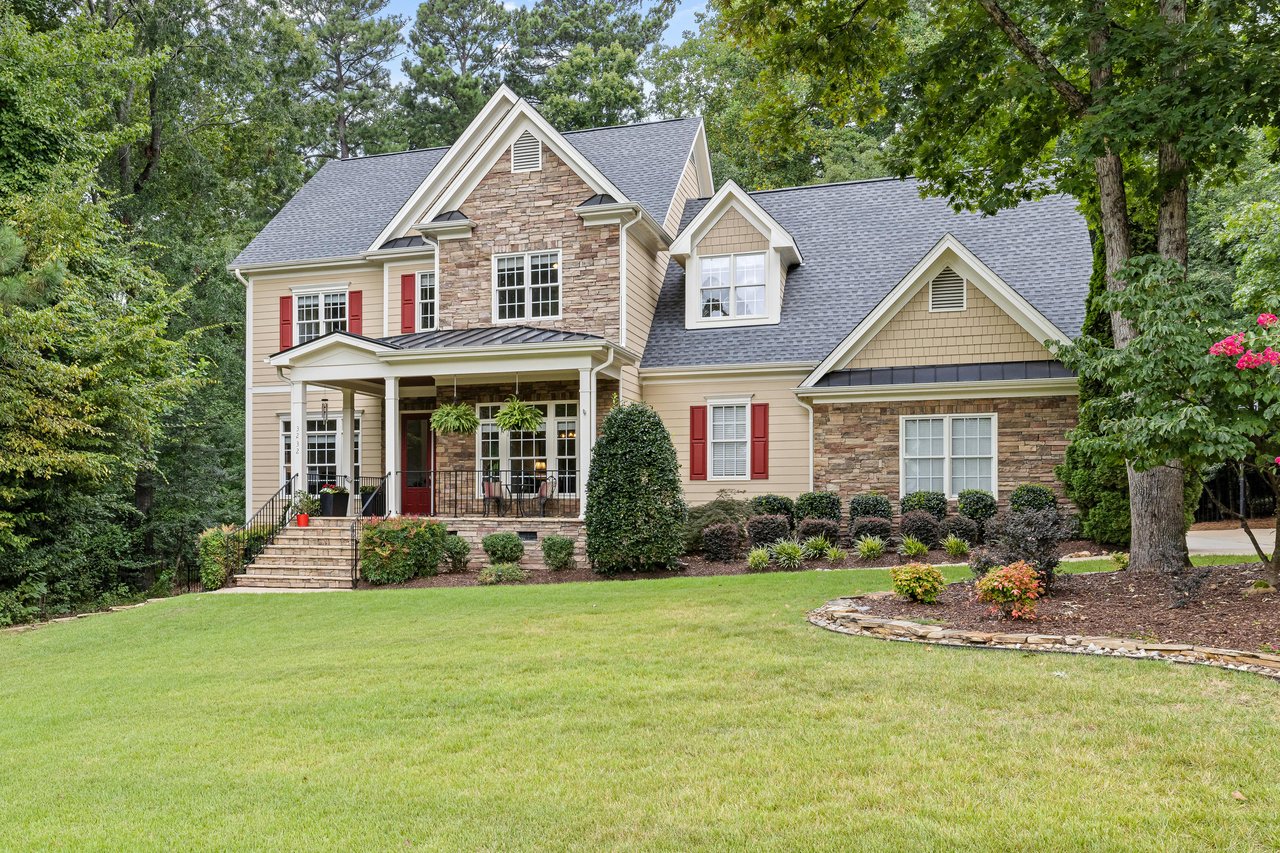
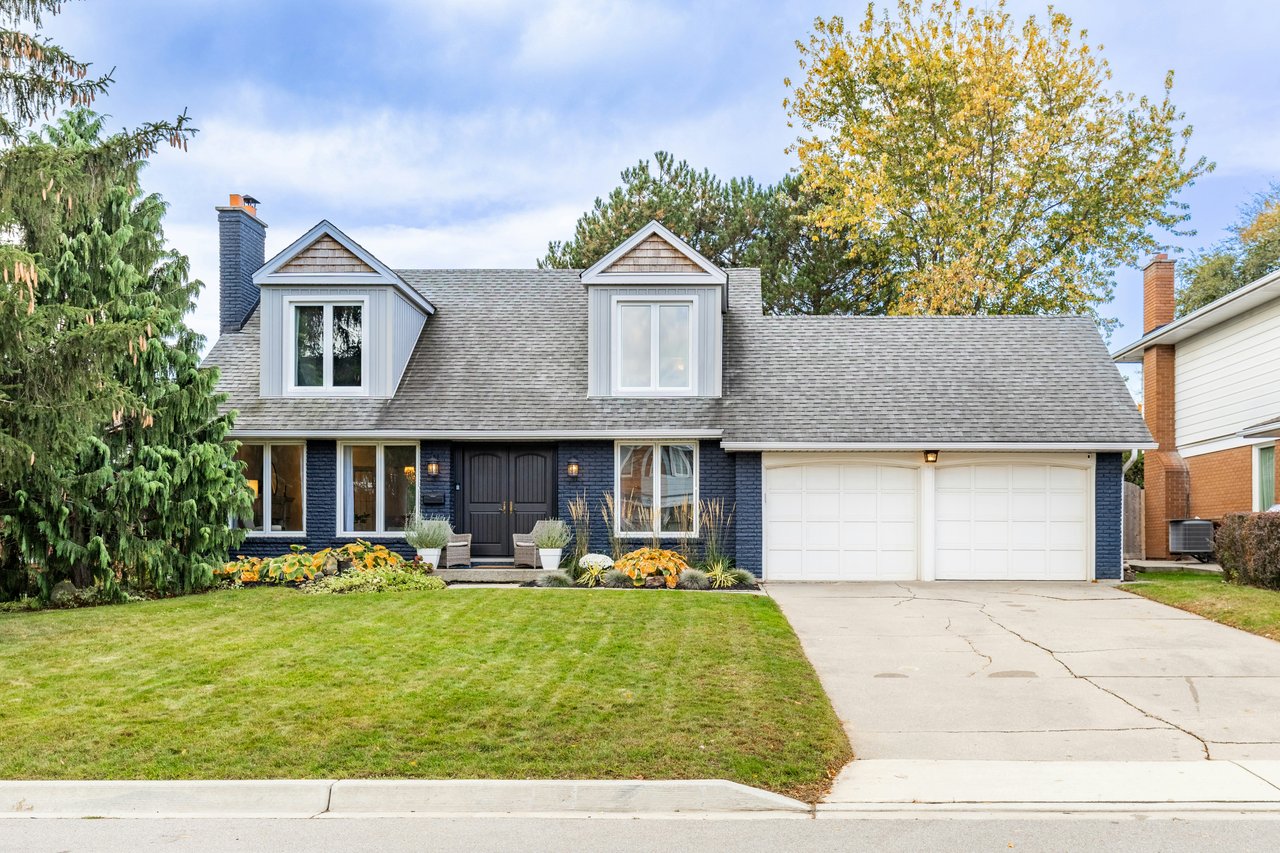
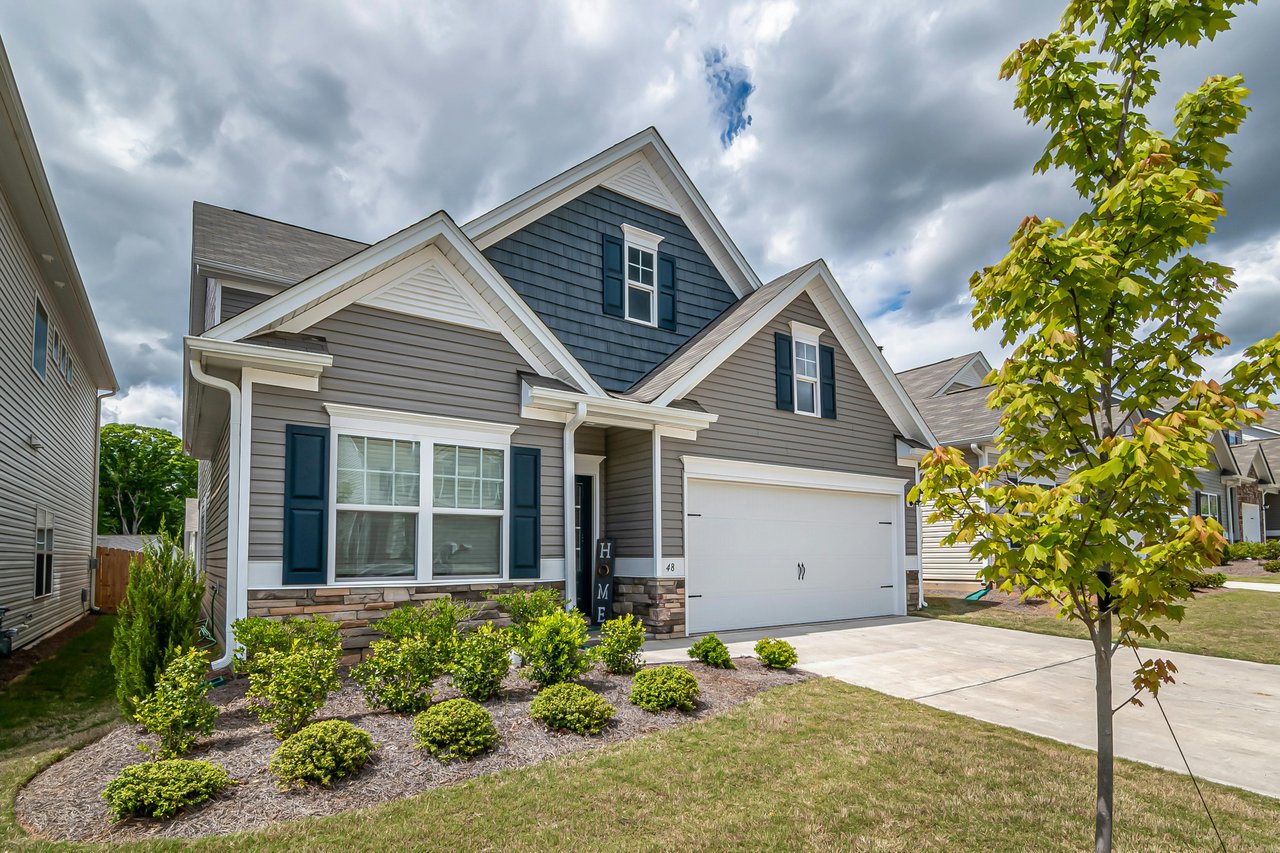
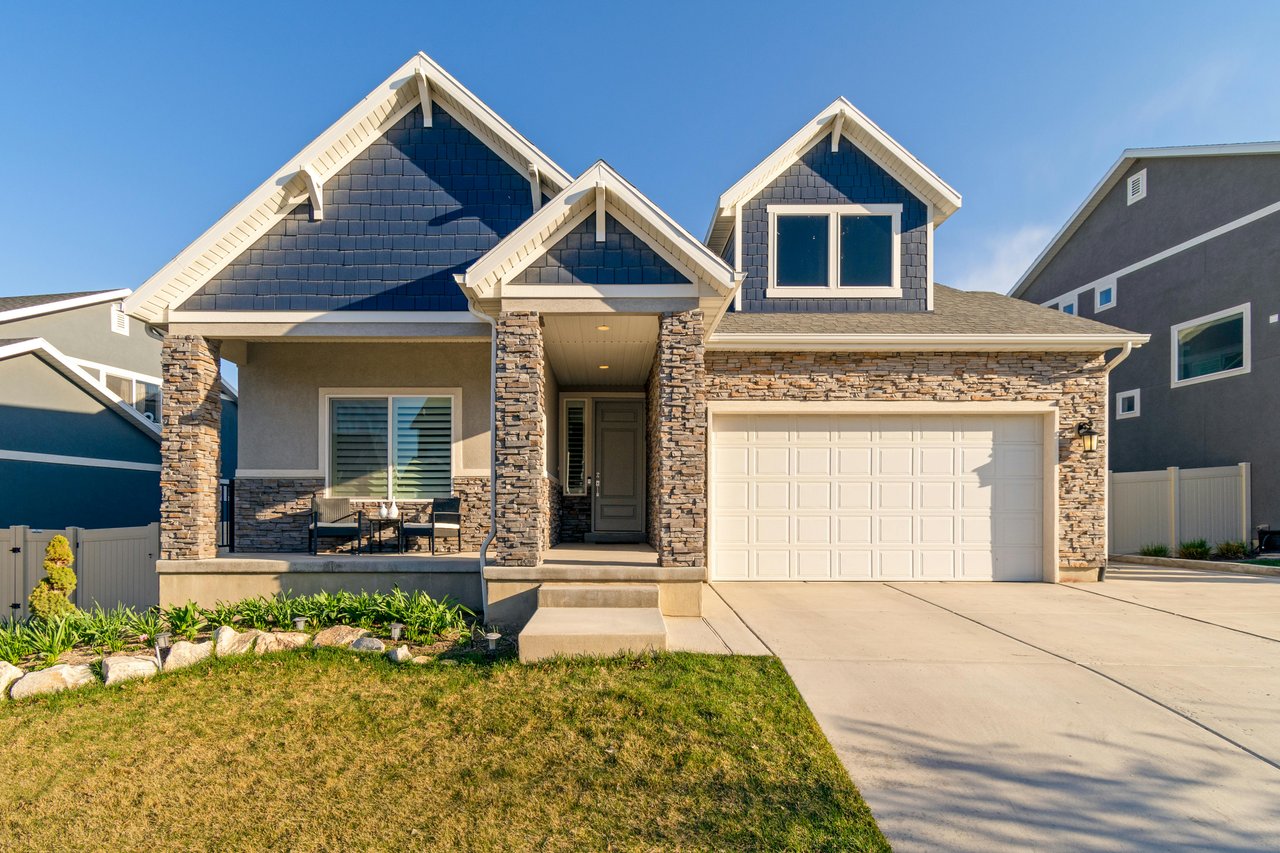
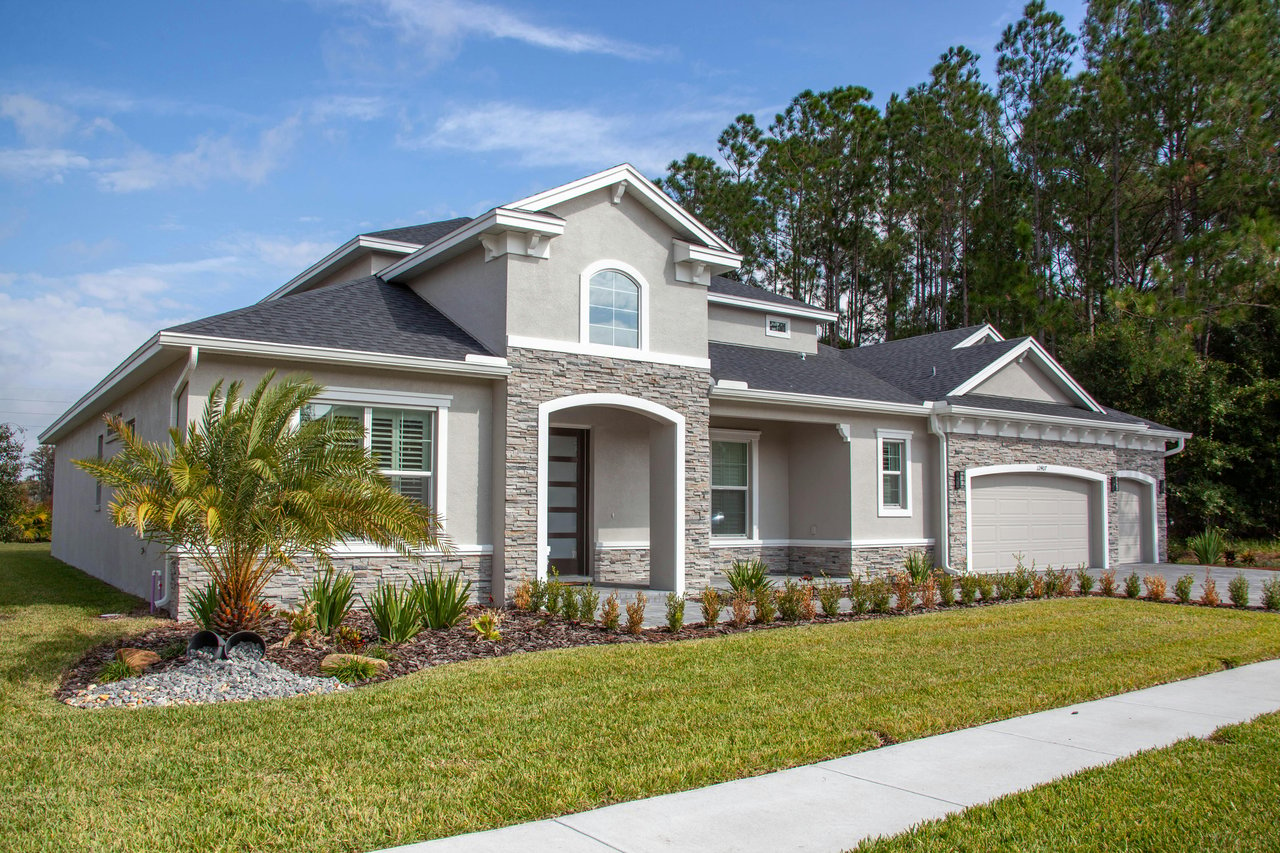
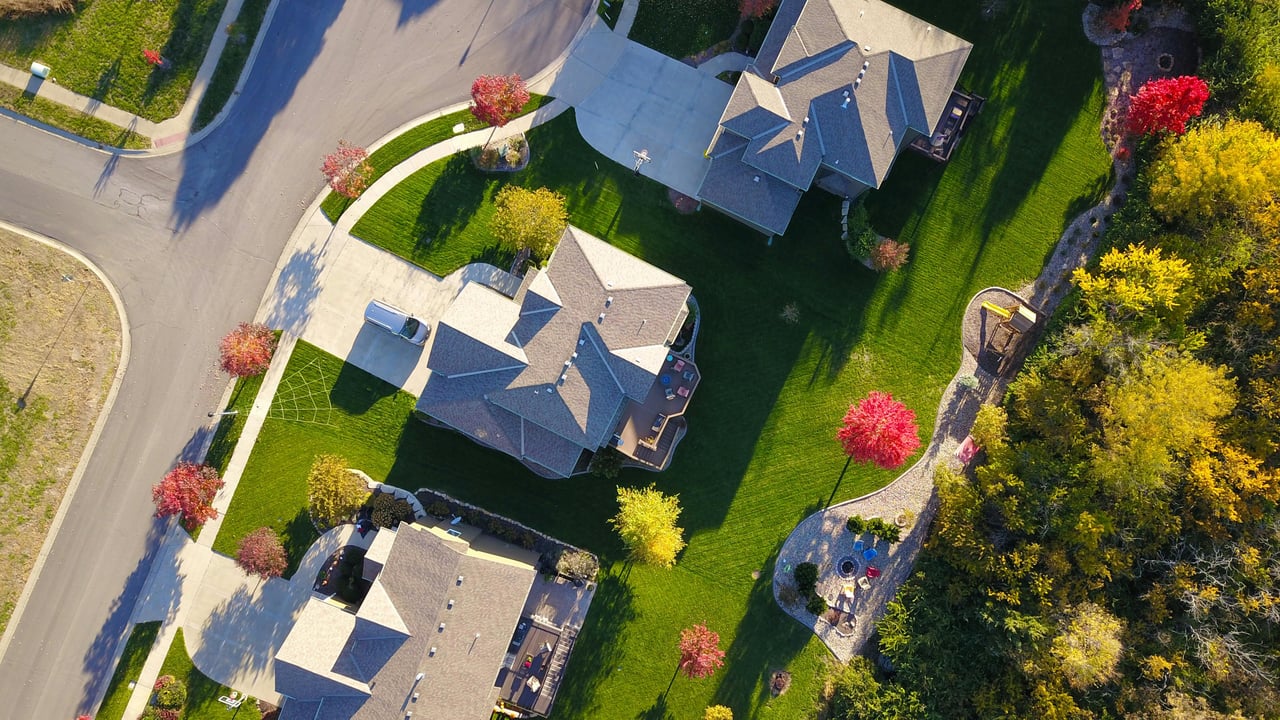
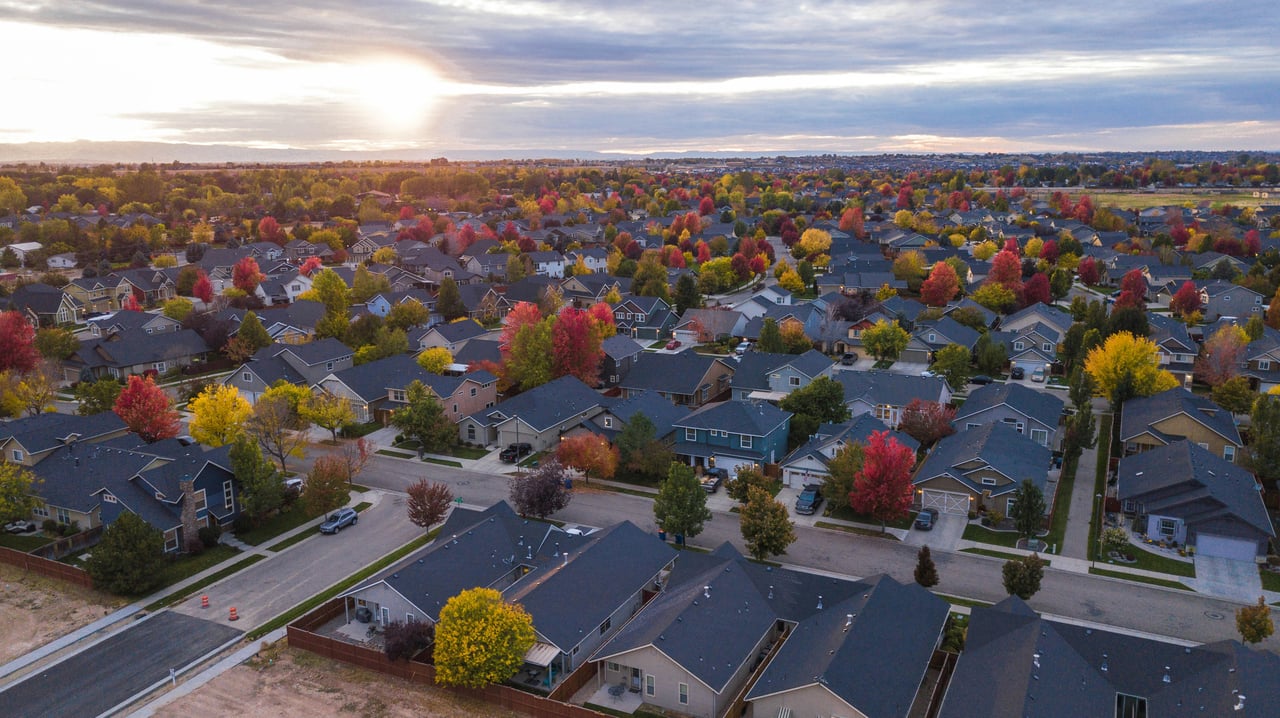
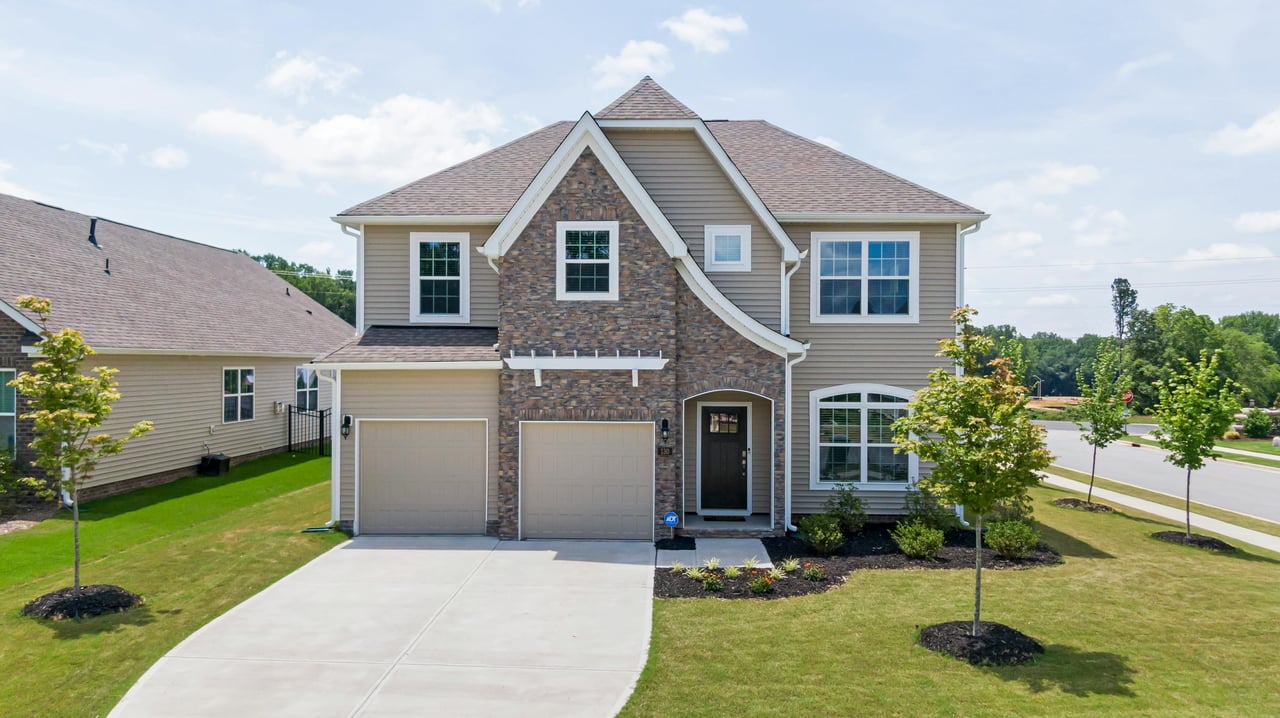
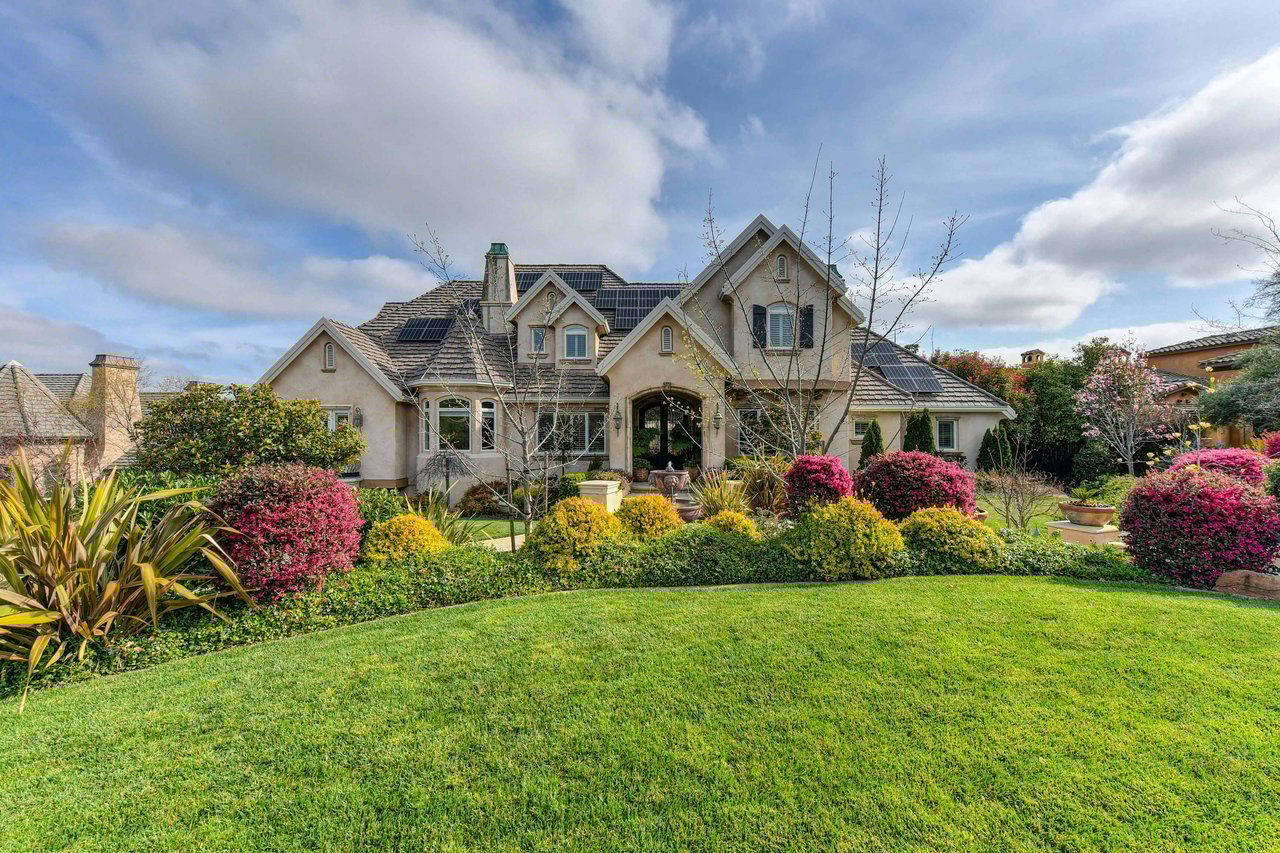
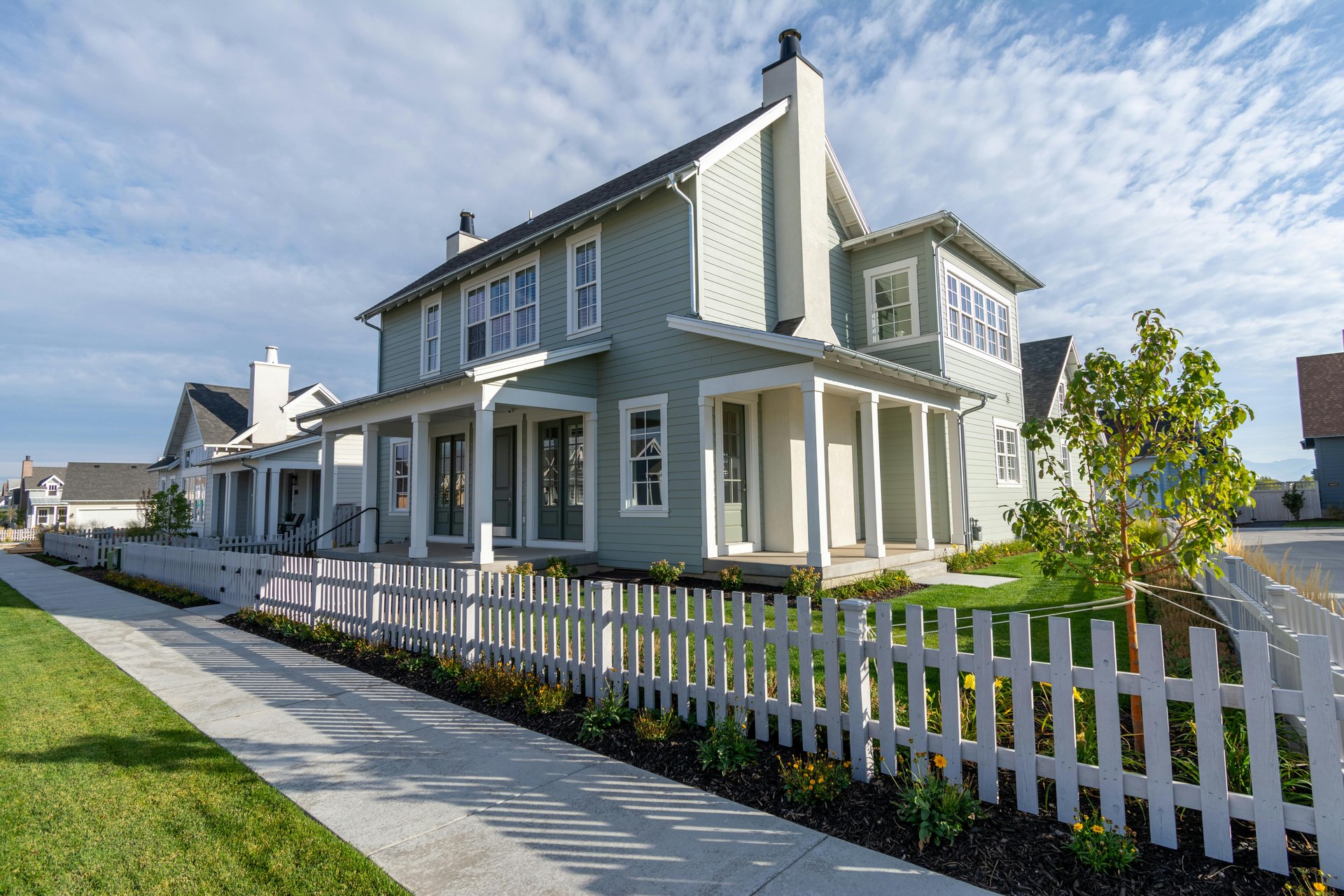
While urban neighborhoods are evolving, suburban areas are seeing major transformation as well. Communities such as Huntersville, Matthews, and Fort Mill continue attracting buyers through large-scale master-planned developments featuring new homes, green spaces, schools, and neighborhood amenities.
These developments often appeal to families looking for newer construction and a strong community feel. In many cases, they’re creating entirely new lifestyle hubs rather than just subdivisions.
Revitalization Creates Opportunity
Another major force in Charlotte’s transformation is neighborhood revitalization. Older areas are seeing reinvestment through renovated housing, adaptive reuse projects, and new businesses moving into established communities.
For buyers and investors, these emerging neighborhoods can offer strong upside potential before values climb further.
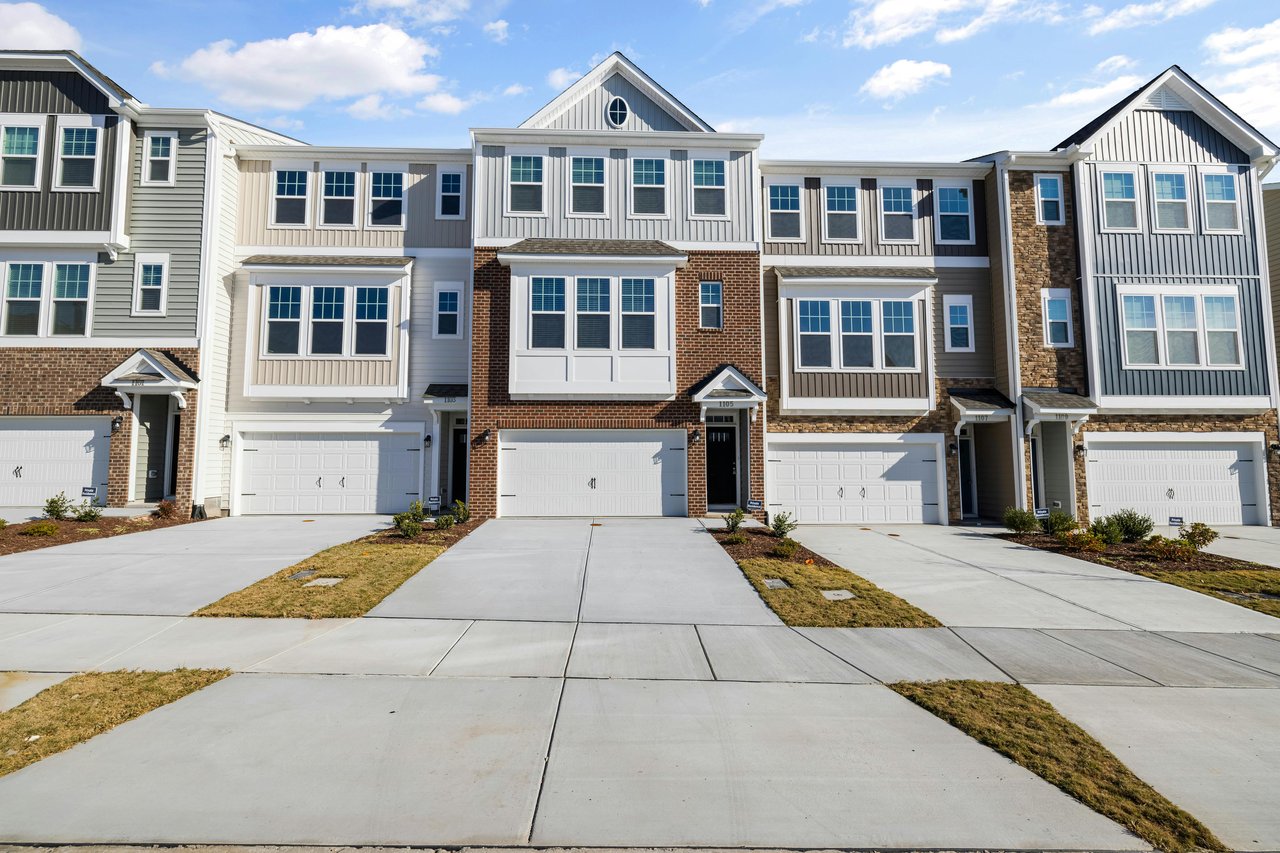
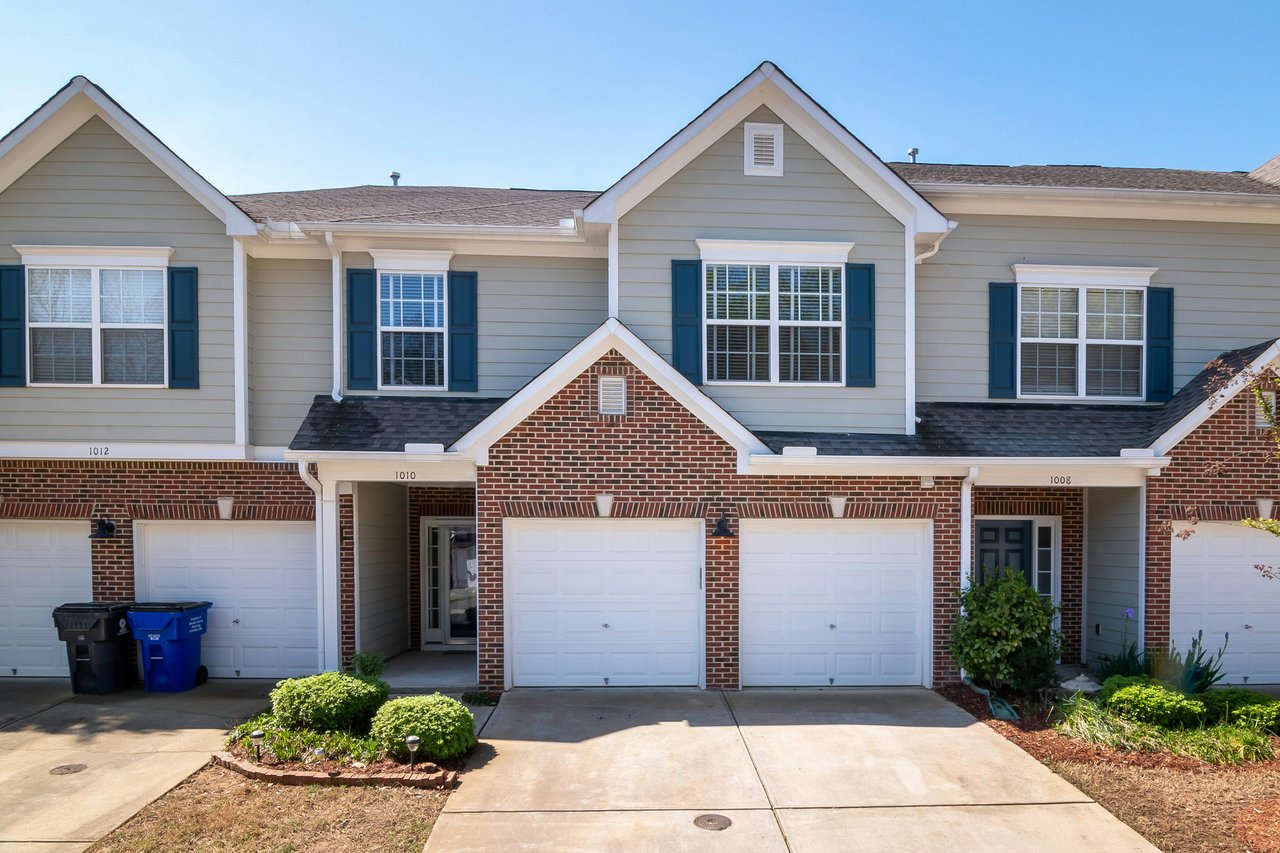
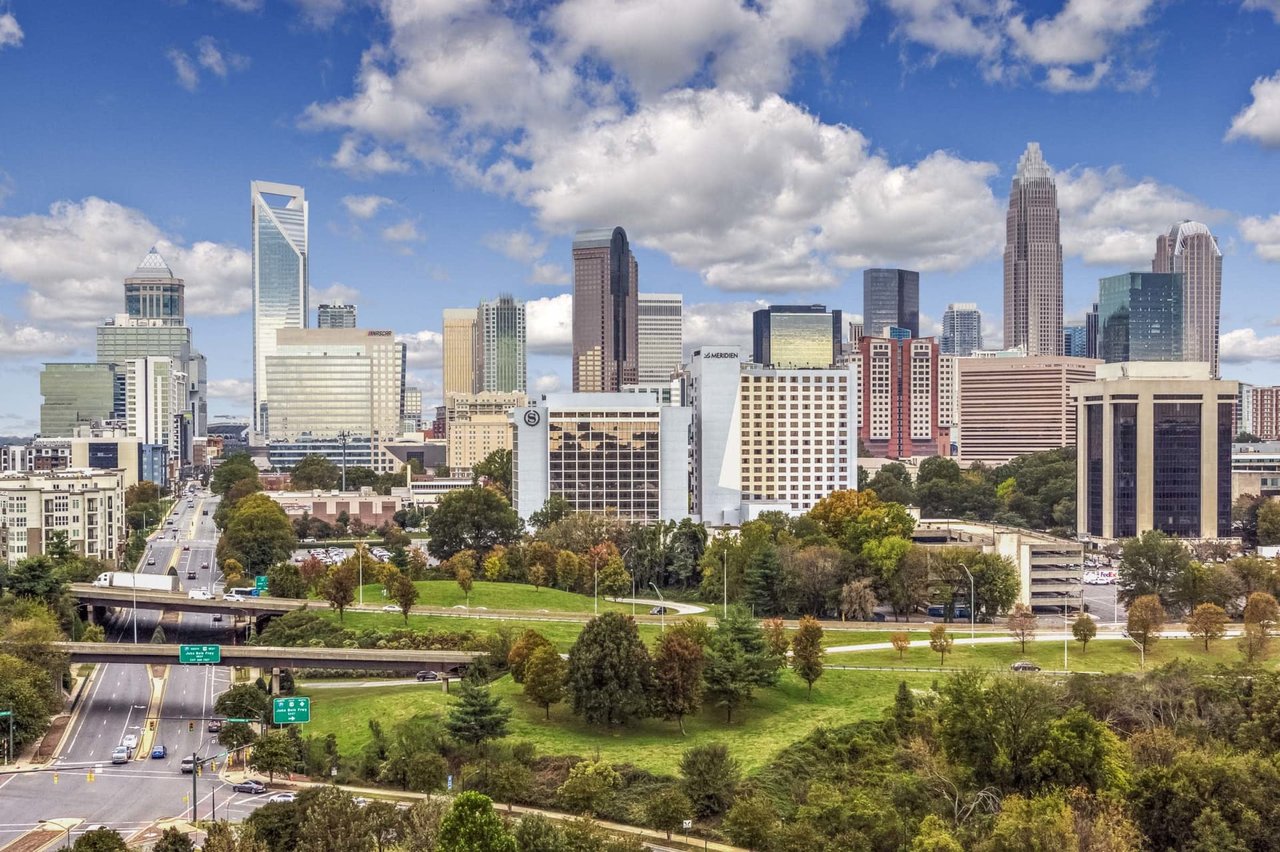
A conversation with a buyer touring several neighborhoods recently highlighted this shift. After visiting a rapidly changing area near Uptown, they commented how surprising it was to see new townhomes, breweries, greenways, and local shops all emerging within a few blocks. It was a reminder that neighborhood growth often happens gradually—until suddenly it feels transformative.
What Buyers Are Looking For
Today’s buyers aren’t just purchasing homes—they’re buying into lifestyle and long-term value. Many are prioritizing neighborhoods that offer:
-
Walkability
-
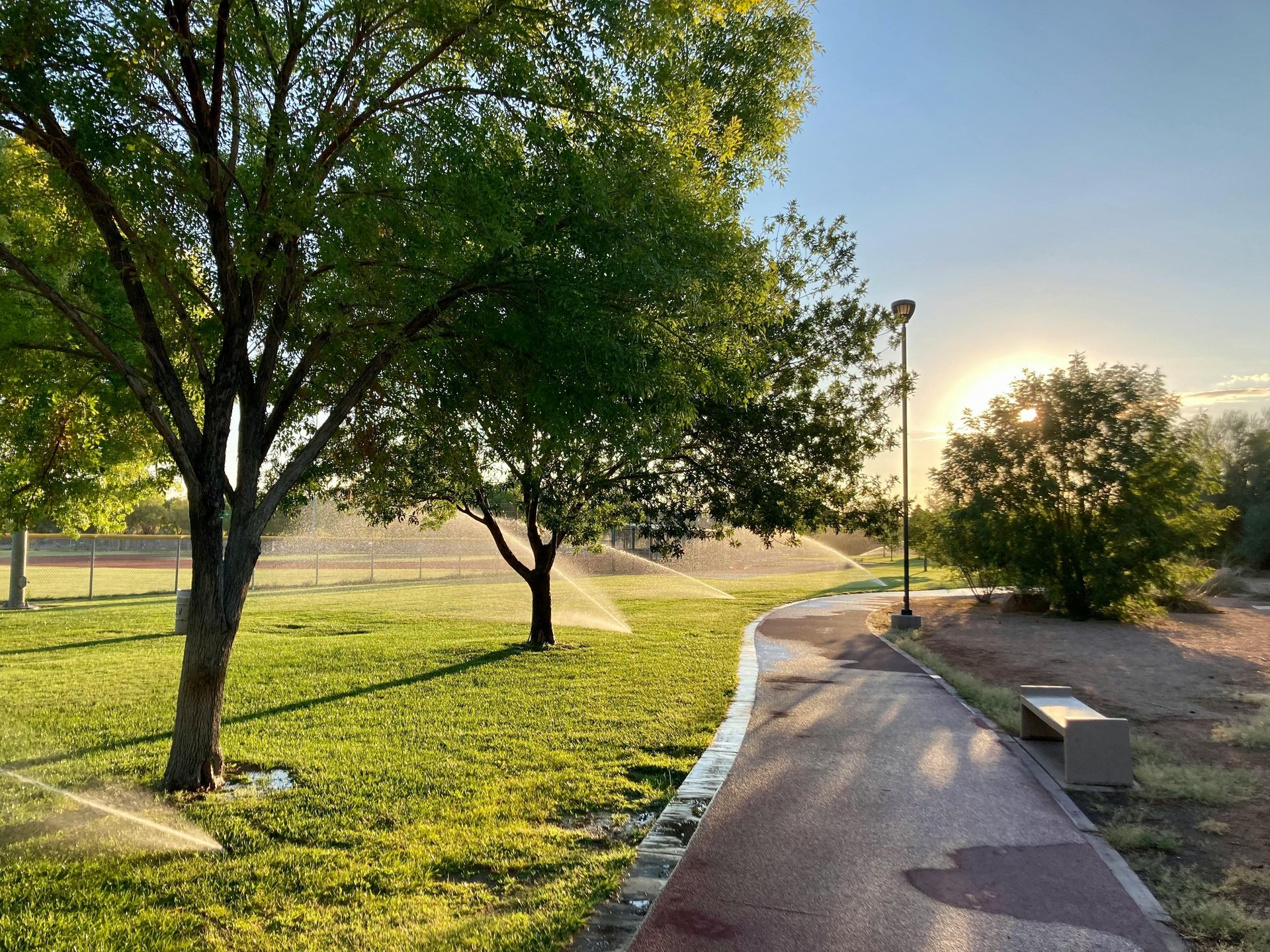
Access to parks and greenways
-
Dining and entertainment nearby
-
Transit accessibility
-
Community amenities
-
Potential for appreciation
Developments that deliver those features often generate stronger demand and can influence surrounding property values.

What This Means for Real Estate
New development can affect real estate in several ways:
-
Increased buyer demand in growth corridors
-
Rising property values near new amenities
-
More inventory options through new construction
-
Stronger long-term investment potential in emerging neighborhoods
For sellers, nearby development can be a selling point. For buyers, it may represent an opportunity to purchase in areas positioned for future growth.
Final Thoughts
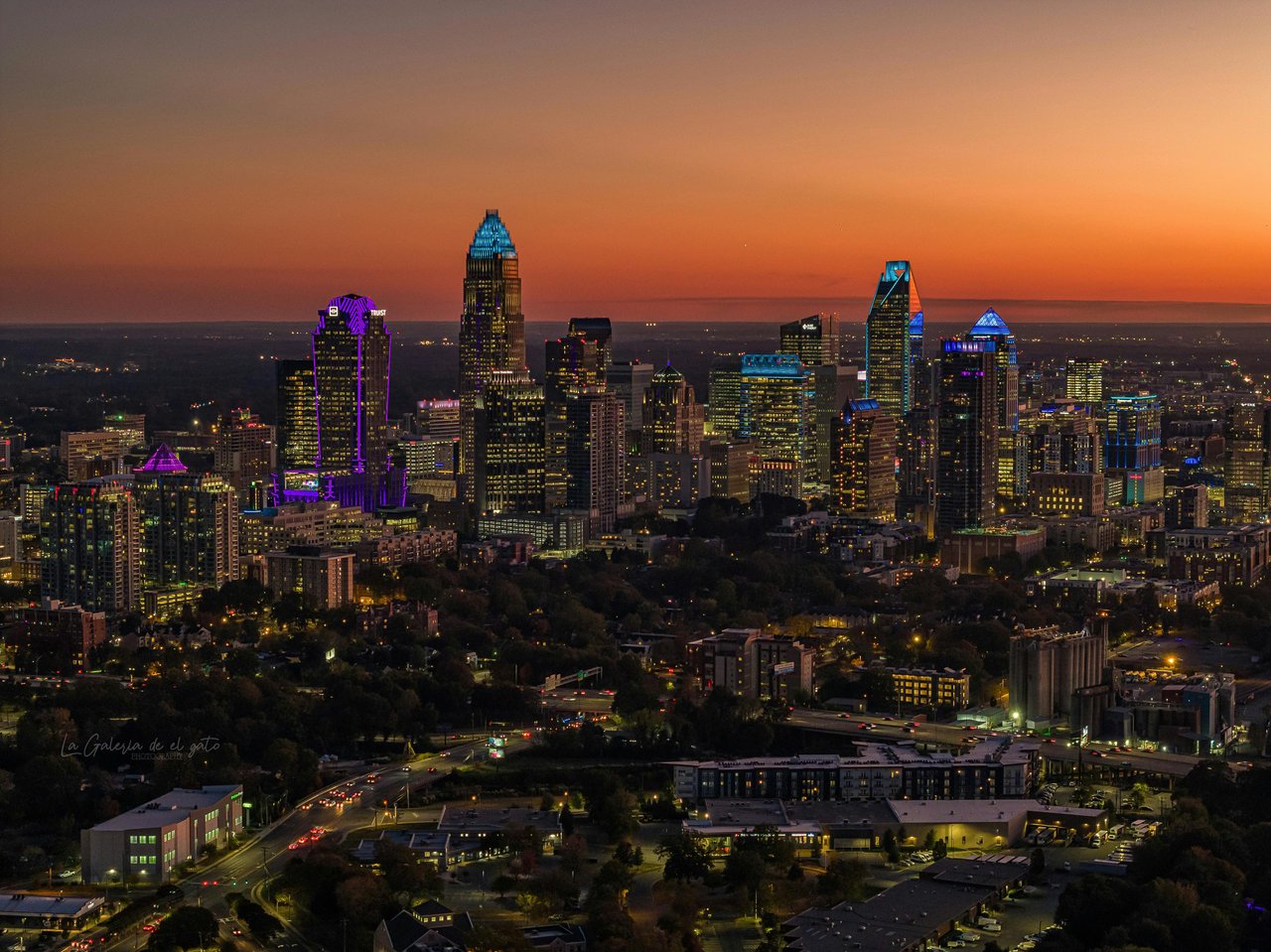
Charlotte’s growth story continues to be written neighborhood by neighborhood. From South End’s evolution to suburban master-planned communities and revitalized urban districts, new developments are transforming how people experience the city.
For those watching the market closely, these changes are more than construction projects—they’re signals of where Charlotte may be headed next. And for buyers and investors alike, understanding those signals can make all the difference.