Why Crypto Is Showing Up in Charlotte Real Estate Conversations
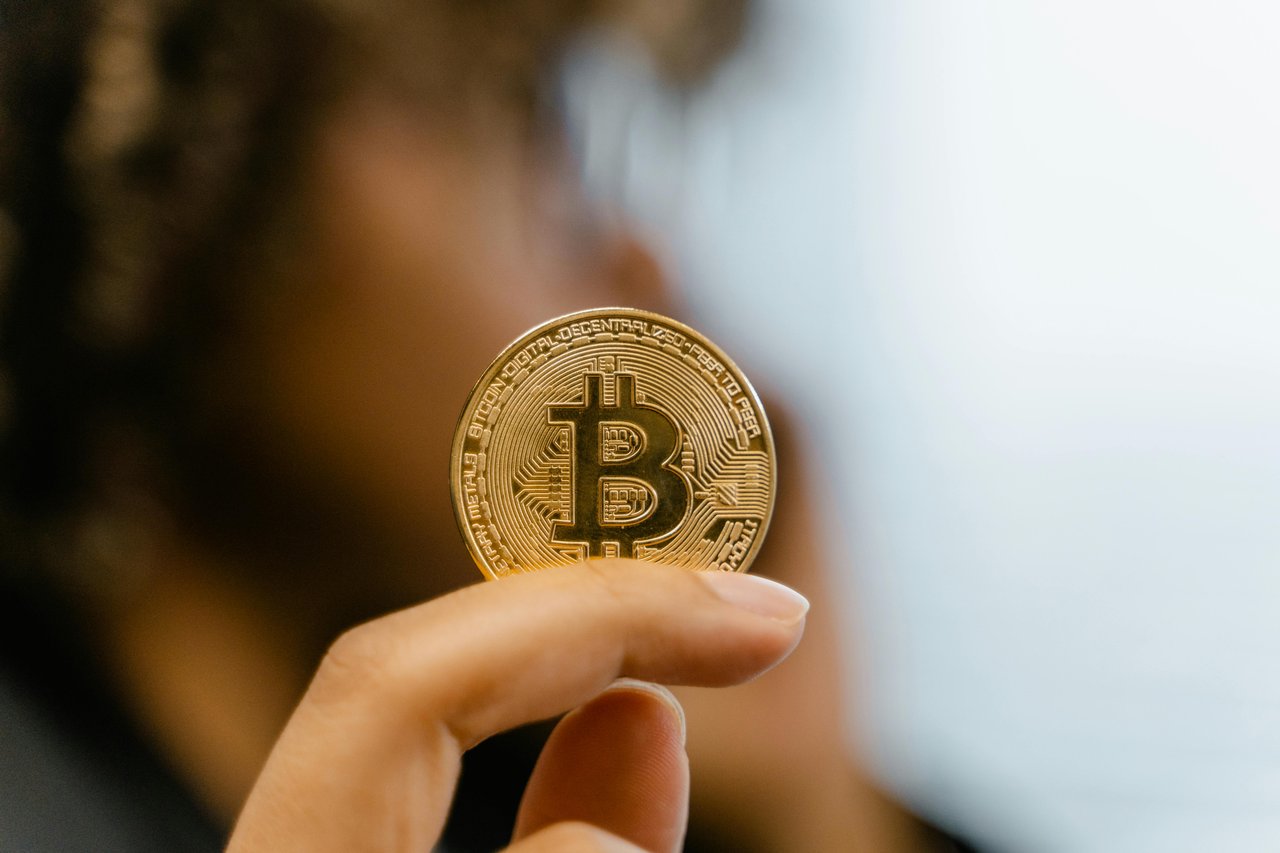
Not long ago, cryptocurrency felt like a niche topic reserved for tech enthusiasts. Today, it’s entering more mainstream financial discussions—including real estate. In fast-growing markets like Charlotte, crypto is beginning to show up in conversations among buyers, investors, and agents alike.
A New Kind of Buyer Profile
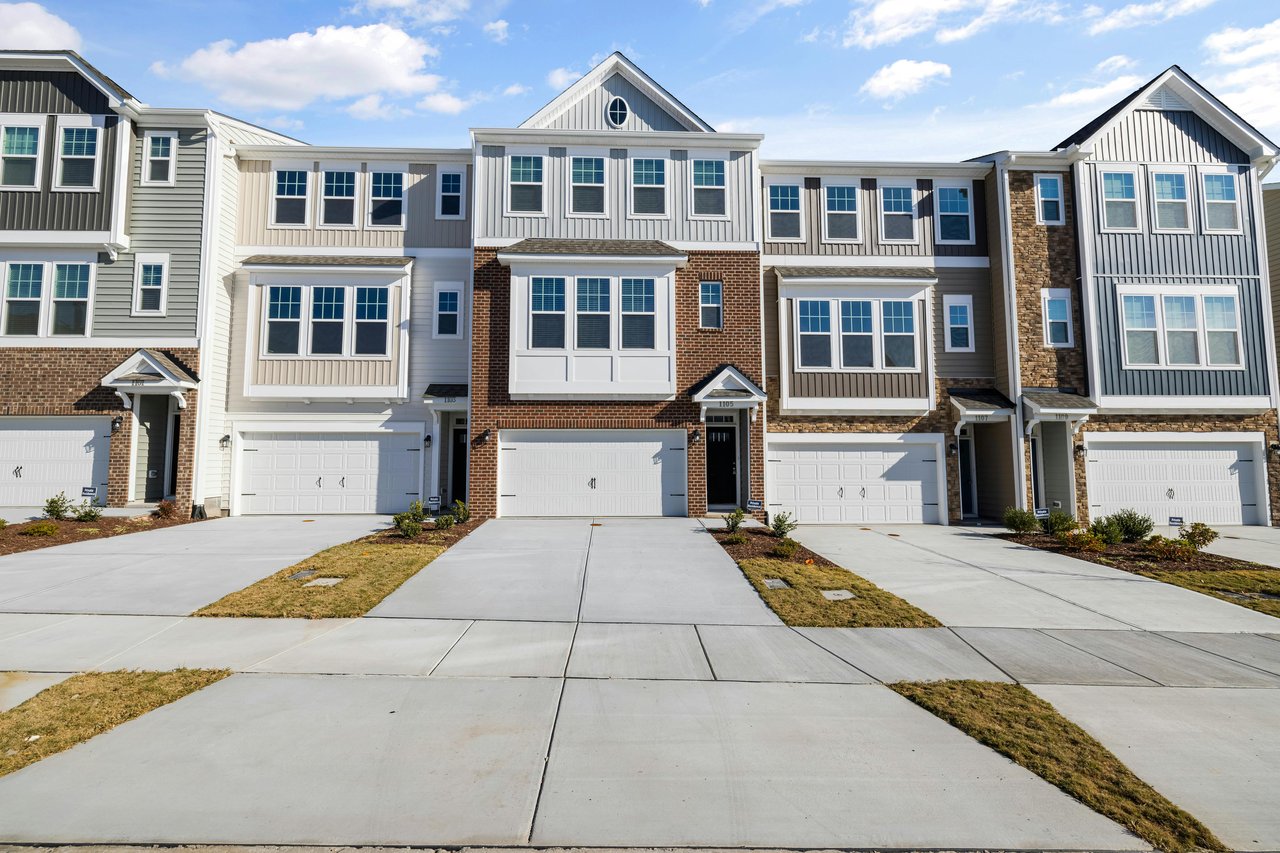
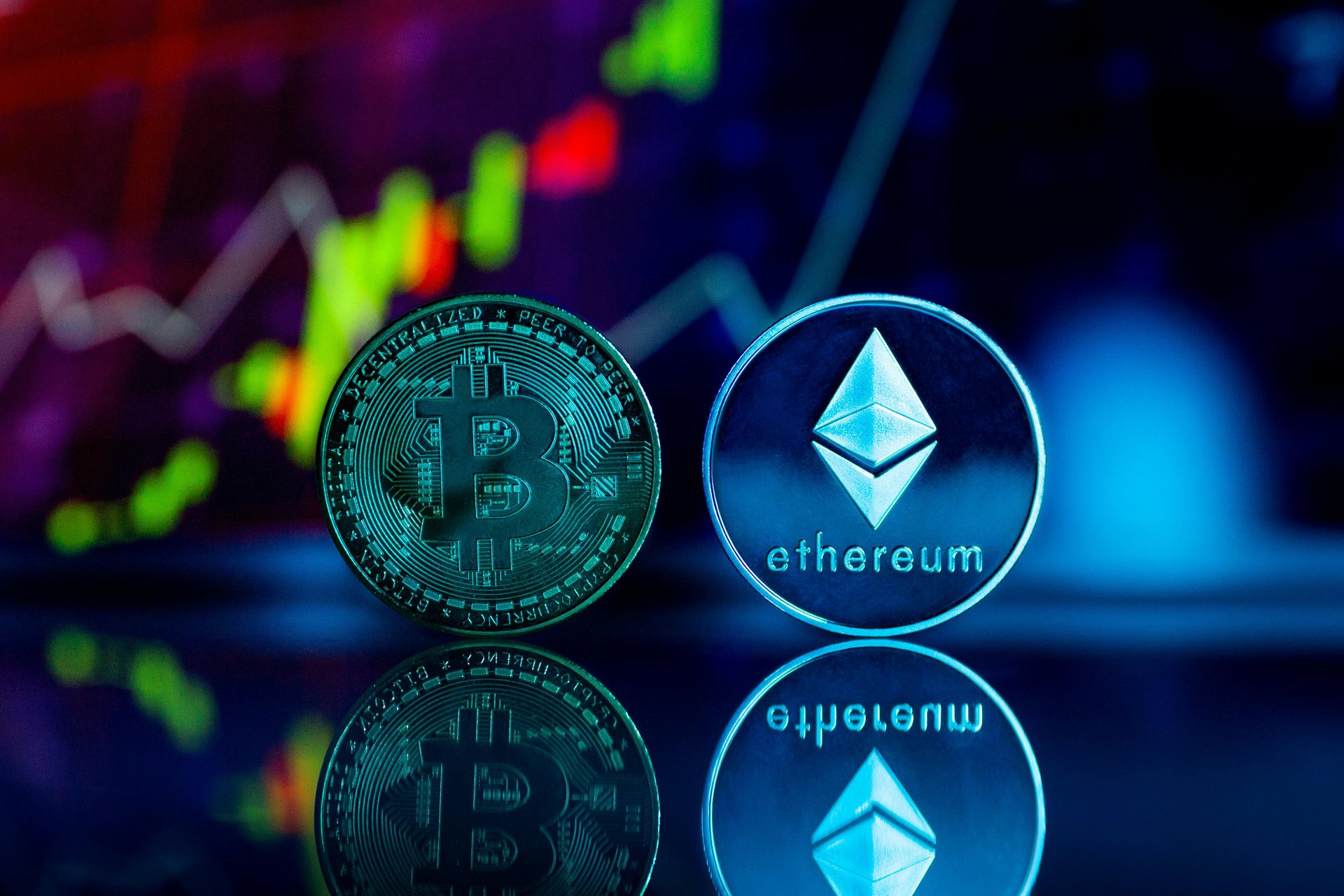
Charlotte has evolved into a major financial and tech hub, attracting professionals who are comfortable with digital assets. Some of these buyers have built significant wealth through cryptocurrencies like Bitcoin and Ethereum. As their portfolios grow, many are looking to convert a portion of that digital wealth into tangible assets—like real estate.
This creates a new type of client: one who may ask whether a seller accepts crypto, or how quickly digital assets can be liquidated for a home purchase.

Liquidity and Conversion to Cash
While crypto isn’t yet a standard form of payment in most real estate transactions, it still plays a role. Buyers often convert crypto into U.S. dollars before closing. With the speed of today’s exchanges, this process can happen relatively quickly, making crypto a more flexible funding source than it once was.
For Charlotte agents and sellers, this means being prepared for buyers whose funds may originate from digital assets—even if the final transaction still happens in traditional currency.

Investment Diversification
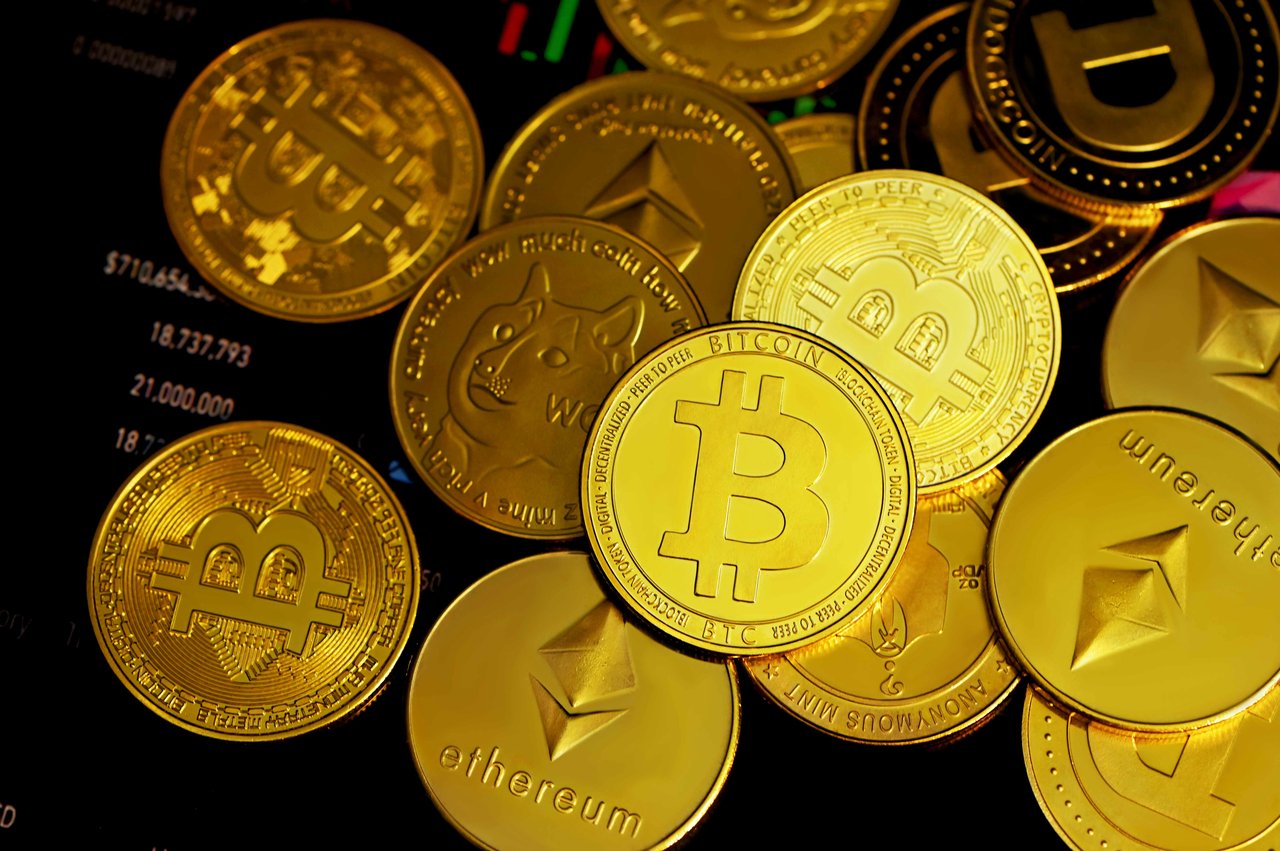
Charlotte investors are no strangers to diversification. From rental properties to commercial developments, spreading risk across asset classes is a common strategy. Now, crypto is entering that mix.
Some investors see cryptocurrencies as a high-growth, higher-risk complement to real estate. While property offers stability and cash flow, crypto offers liquidity and the potential for rapid appreciation. The combination allows investors to balance long-term security with short-term opportunity.
Tech Influence and Future Potential
Charlotte’s strong ties to the banking and fintech industries are also fueling interest in blockchain technology. Beyond currency, blockchain has potential applications in real estate—from smart contracts to transparent property records.
While widespread adoption is still developing, the idea of faster, more secure transactions is appealing. Industry professionals are beginning to explore how these innovations could reshape the buying and selling process in the years ahead.

What It Means for the Market
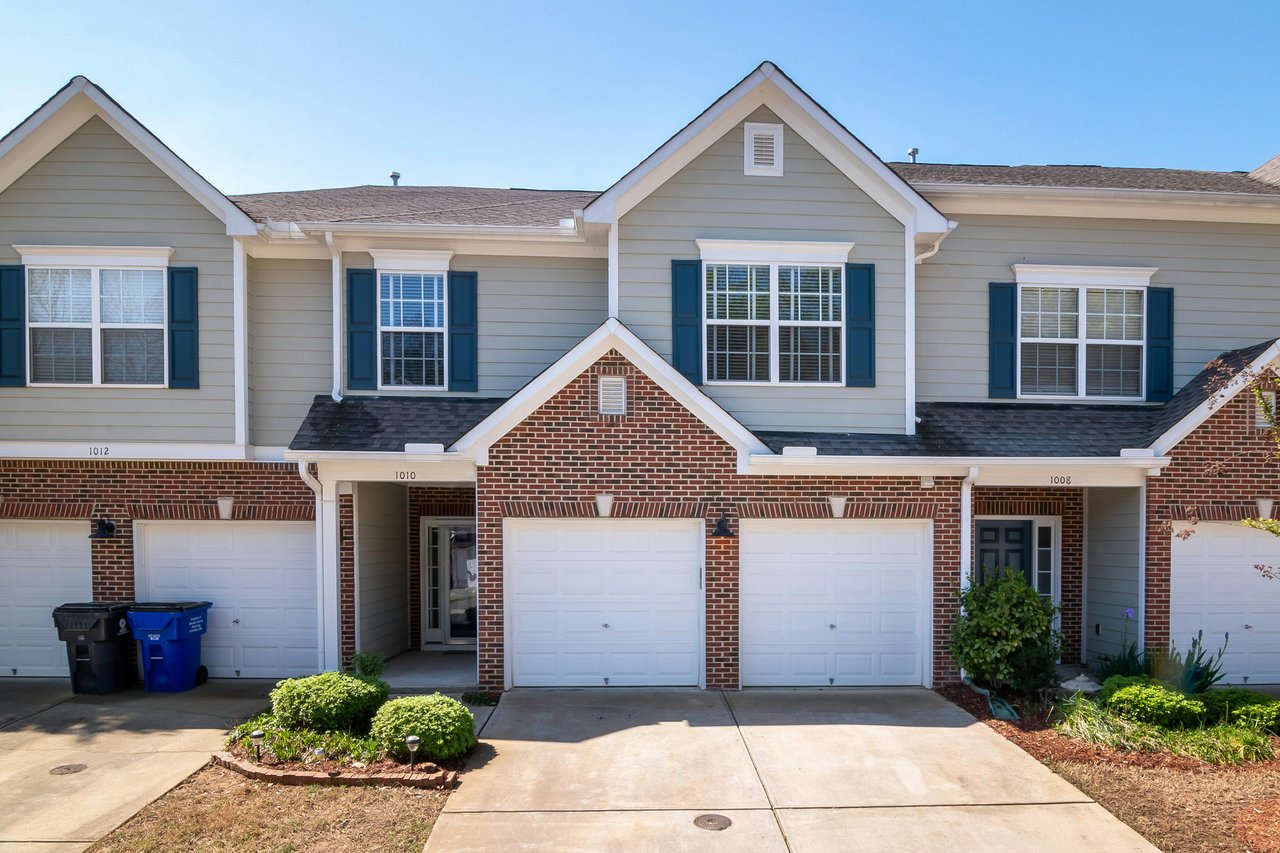
Crypto’s presence in Charlotte real estate conversations doesn’t mean it’s replacing traditional financing anytime soon. Mortgages, appraisals, and regulations still anchor the process. However, it does signal a shift in how wealth is being created—and how it’s entering the housing market.
For buyers, sellers, and agents, staying informed about crypto isn’t just a trend—it’s becoming part of understanding today’s evolving financial landscape.